The Singing Sheriff
1944
No user ratings available yet
Representation score: 1.3 out of 10
Representation Score
Minimal
1948
ApprovedRuntime
69 minutes
Average Rating
No ratings yetNew Showbiz Analysis
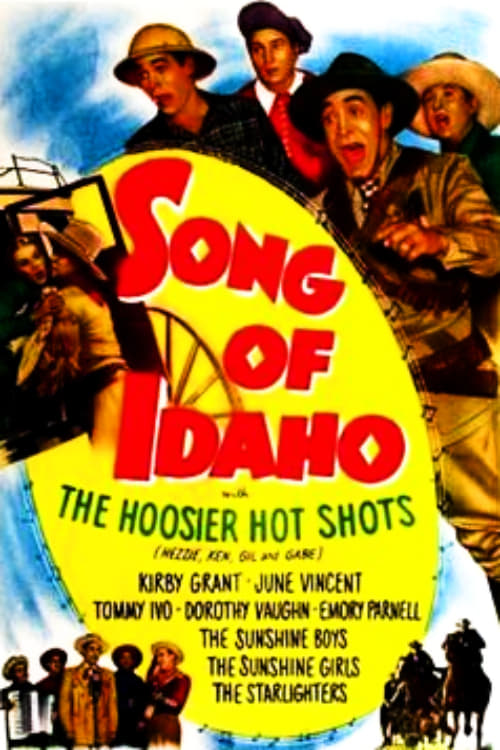
Song of Idaho is a mid-century musical comedy that prioritizes the restoration of social order. The plot follows a traditional arc where a disruptive child must find redemption to re-establish harmony within a ranch setting. The film functions as a product of its historical context, reinforcing the social, racial, and gendered hierarchies prevalent in 1940s American cinema. It focuses on maintaining conventional structures rather than challenging them. Because the narrative centers on male leadership and paternal authority, it lacks significant breadth in its representation of diverse identities or perspectives.
Category Breakdown
The film does not include any representation of LGBTQ+ identities or same-sex relationships. It adheres to traditional gender roles typical of 1948 Western comedies.
The story focuses heavily on male figures, such as King Russell and the Nottingham family. There is no indication of women's ability to drive the story or the subversion of masculine roles.
The film likely reflects the homogeneous casting standards of its era. The plot centers on a white, Western-centric perspective without suggesting multicultural integration.
Themes revolve around professional stability and social redemption. The story emphasizes traditional Western values like respect for authority and interpersonal reconciliation.
There is no mention of characters with visible or invisible disabilities. The film does not use neurodivergence or disability as a narrative device.
Present on Screen
Limited or Absent
Official Synopsis
When sponsor Nottingham cancels King Russell's radio program, The Hot Shots try to change his mind. They not only fail but Nottingham's son forces them to take him back to Russell's ranch. Once there he starts playing practical jokes. With everyone disliking him and learning his father is coming, he has a plan to redeem himself.
1944

1953

1943
1939
1948

1960
1958

1962
No reviews yet. Be the first to share your thoughts on this movie!
Use the rating form above to leave a star rating and optional review.