
The Lies She Loved
2018
No user ratings available yet
Representation score: 6.9 out of 10
Representation Score
Limited
2021
Director
Hideta Takahata
Runtime
119 minutes
Average Rating
No ratings yetNew Showbiz Analysis
Every Trick In The Book operates as a traditional mystery-drama that prioritizes plot-driven tension over demographic exploration. While the film gives a significant role to a female protagonist, the core conflict remains rooted in a male-dominated criminal and literary hierarchy. The setting and character profiles suggest a culturally homogeneous Japanese environment. While this provides a specific sense of place, the story does not actively deconstruct social hierarchies or introduce multi-layered identities. Ultimately, the film functions as a standard genre piece. It lacks the necessary elements of progressive representation or the subversion of traditional social structures to achieve a higher diversity score.
Category Breakdown
The mystery revolves around a Naoki Prize-winning author and a driver for a call girl business. There is no explicit mention of LGBTQ+ identities or non-traditional gender narratives within the plot.
Editor Nahomi Torikai plays a central role in driving the plot forward. However, the main conflict centers around male characters, including the author and an underworld kingpin.
Set in Toyama Prefecture, the story features a culturally homogeneous Japanese cast. The narrative reflects its specific geographic context without showing significant ethnic or multi-layered diversity.
The film explores subjective morality and the instability of truth through a postmodern lens. It examines systemic corruption but lacks clear evidence of specific spiritual or institutional critiques.
The narrative provides no information regarding characters with visible or invisible disabilities. There is no mention of neurodivergence or chronic health conditions.
Present on Screen
Limited or Absent
Official Synopsis
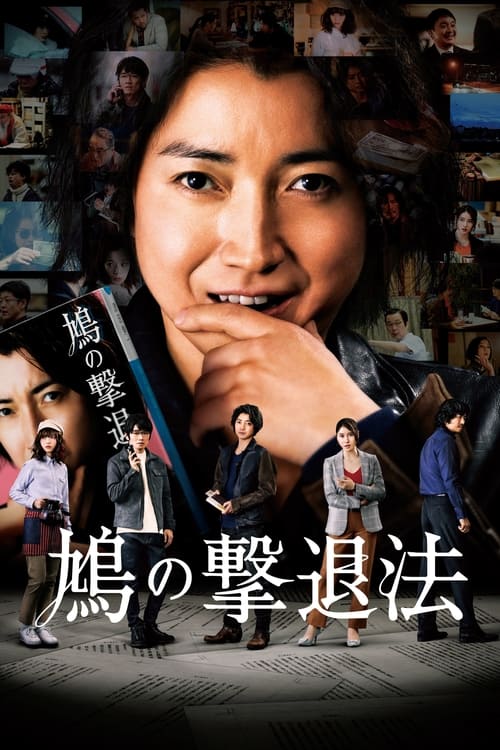
Shinichi Tsuda, a Naoki Prize winning author, is working to publish his newest story. It revolves around Tsuyama, a driver for a call girl business in Toyama Prefecture, who comes across a mysterious counterfeit bill and has his life targeted by underworld kingpin Kurata. Is his story fact or fiction? His editor, Nahomi Torikai, decides to verify whether his latest work is mere fiction based on real-life experiences. She looks into a family that vanished, a post office worker who went missing, a shady load of cash, the whereabouts of the doves, and the fateful encounter from that night... A series of shocking facts are revealed from Tsuda’s stories. Why did the counterfeit money end up in Tsuda’s hands? What is the “ending” that Tsuda wished to portray?
2018

2008

2018
2017

2020

2023
1970

2023
No reviews yet. Be the first to share your thoughts on this movie!
Use the rating form above to leave a star rating and optional review.