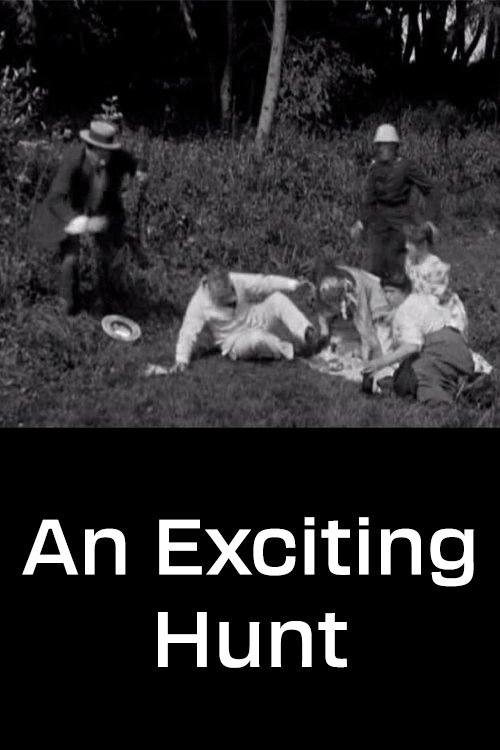
An Exciting Hunt
1907
No user ratings available yet
Representation score: 1.7 out of 10

Representation Score
Minimal
1907
Director
Georges Méliès
Runtime
8 minutes
Average Rating
No ratings yetNew Showbiz Analysis
This 1907 short by Georges Méliès serves as a foundational piece of cinematic spectacle rather than a vehicle for social commentary. The film prioritizes theatrical whimsy and physical slapstick over complex identity representations or social critiques. The narrative structure is built on the period's standard comedic clichés, focusing on a domestic and romantic pursuit. Consequently, the work lacks engagement with systemic critiques or diverse identity portrayals. Ultimately, the film reflects the homogeneous demographic and social norms of early French cinema without attempting to challenge them.
Category Breakdown
The film centers on a typical romance between a male lead and a female character. It does not include any non-conforming gender identities or same-sex relationships.
The storyline depends on early 20th-century comedic clichés and a chase scenario. It does not challenge traditional gender roles or depict masculinity as ineffective.
The cast mirrors the homogeneous demographics typical of early French cinema. There is no indication of racial diversity or non-Anglo-Saxon casting.
This brief slapstick comedy lacks themes of secularism or the dismantling of Western institutions. It adheres to the conventional social structures of 1907.
There is no evidence of characters with visible or invisible disabilities being shown with significant roles. Disability is not used as a narrative element.
Present on Screen
Limited or Absent
Official Synopsis
Very much a slapstick chase in the mode of the period, as Victorine's boyfriend escapes from the kitchen and is pursued on rooftop by his unsuspecting fellow officers.
1907

1897
1904
1911
1905
1900
1908
1904
No reviews yet. Be the first to share your thoughts on this movie!
Use the rating form above to leave a star rating and optional review.