Strange Circus
2005
No user ratings available yet
Diversity score: 5.1 out of 10
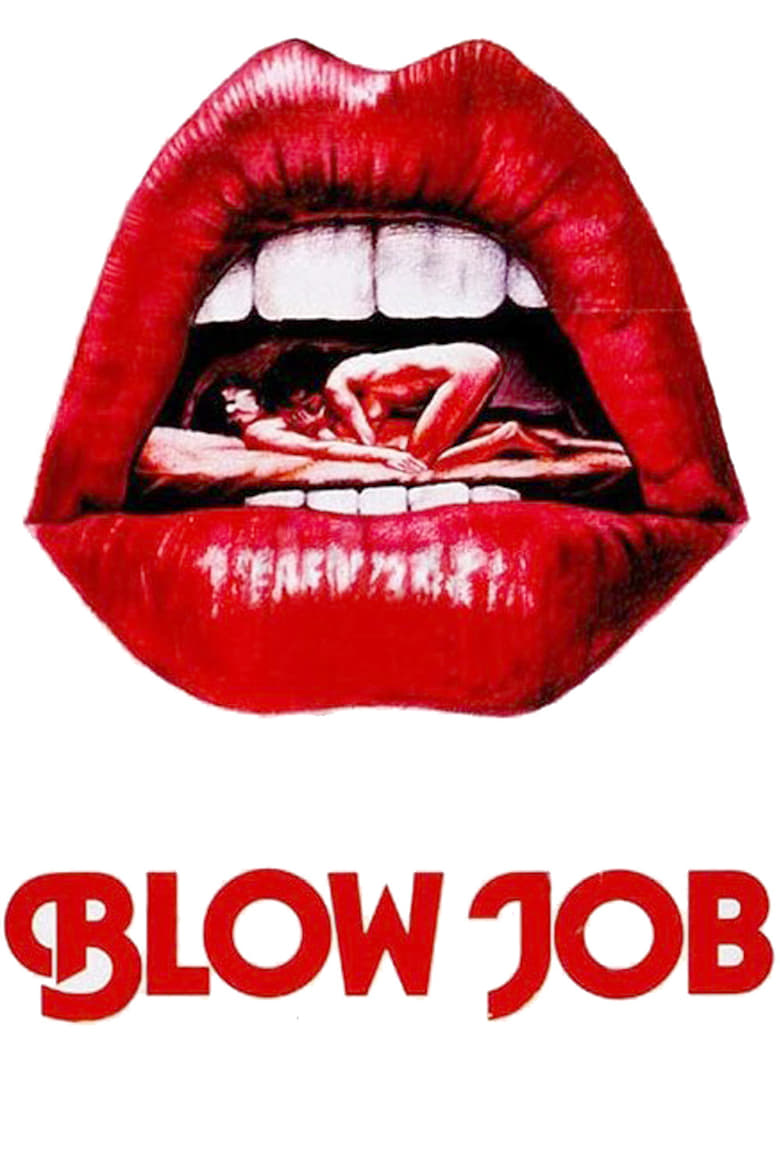
1980
Director
Alberto Cavallone
Runtime
78 minutes
Average Rating
No ratings yetSynopsis
Originally shot in the summer of ’79 and released in May ’80 under the title of “La Strega nuda (The Naked Witch),” it tells of a young man (Danilo Micheli) who is tempted to a weird house by an ugly witch (Anna Massarelli) where he encounters a group of surreal characters in surreal circumstances. More a film of images and sensations than a cohesive storyline – including arresting shots such as the witch mutating from ugly to beautiful while circling Micheli, and the lead character foreseeing his own funeral escorted by bikers
Overall Score
Fair
Category Breakdown
LGBTQ+ Representation
The film utilizes a surrealist, non-linear framework that prioritizes sensation over conventional romance. While it moves away from traditional courtship tropes, there is no explicit evidence of non-cisnormative identities.
Gender Representation
The character of the witch subverts traditional hierarchies by possessing a transformative, predatory agency. Rather than being a passive object, she acts as a surreal force driving the protagonist's journey.
Racial & Ethnic Diversity
The production appears to feature a largely homogeneous cast typical of 1980 Italian cinema. There is no evidence of significant racial blending or non-white characters used to challenge social norms.
Religious & Cultural Diversity
The work rejects linear Western storytelling in favor of existentialism and postmodern skepticism. It uses unsettling imagery to explore the breakdown of traditional social stability and order.
Disability Representation
The film features 'ugly' archetypes and surreal characters, but it is unclear if these are meaningful representations of disability or merely aesthetic horror choices.
Strengths
Areas for Improvement
AI Analysis
Blow Job (1980) functions as a work of stylistic transgression rather than demographic intentionality. It prioritizes sensory provocation and the disruption of traditional cinematic structures over cohesive, identity-driven storytelling. The film's primary impact lies in its narrative architecture. By abandoning causality and linear plots, it challenges Western expectations of order, though it lacks the intersectional casting necessary for higher scores. Ultimately, the film is a study in surrealism. It succeeds in subverting gendered archetypes through its central female figure but remains limited by a lack of explicit representation across other social categories.
No reviews yet. Be the first to share your thoughts on this movie!
Use the rating form above to leave a star rating and optional review.