The Summer of Flying Fish
2013
No user ratings available yet
Representation score: 6.3 out of 10
Representation Score
Good
2017
Director
Claudia Huaiquimilla
Runtime
96 minutes
Average Rating
No ratings yetNew Showbiz Analysis
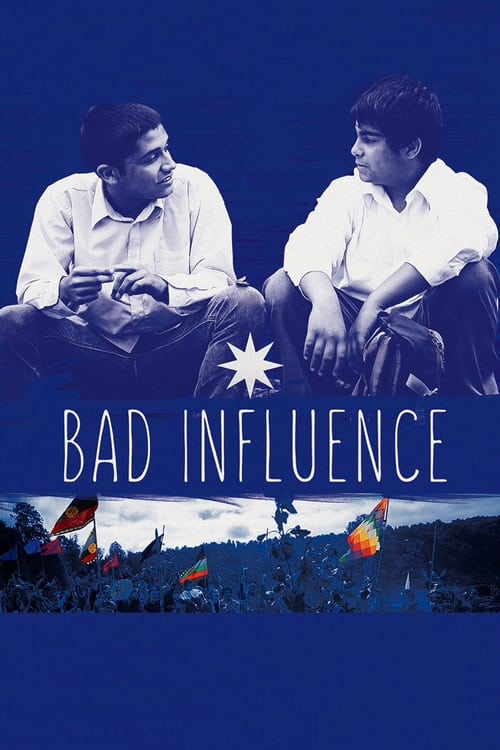
Bad Influence is a significant work that prioritizes the perspectives of underrepresented ethnic groups. It succeeds by deconstructing traditional notions of authority and morality through a nuanced lens of socioeconomic influence. The film's primary strength is its authentic racial and ethnic representation, which provides a sophisticated critique of institutional power. However, the film lacks explicit narratives regarding LGBTQ+ identities or disability. While it challenges certain gender hierarchies, it occasionally relies on traditional depictions of female vulnerability.
Category Breakdown
The film does not focus on LGBTQ+ identities or non-cisgender expressions. It explores the bonds between underrepresented youth but lacks overt queer narratives or direct challenges to the assumption that everyone is straight or cisgender.
The narrative disrupts traditional hierarchies by highlighting the vulnerability of young characters. However, the depiction of female characters sometimes leans into traditional portrayals of precarious femininity.
The film excels by featuring a predominantly Indigenous and Mestizo cast. This centering of underrepresented voices serves as a post-colonial critique of mainstream, Anglo-centric cinematic norms.
The story critiques Western and capitalist structures by framing delinquency as a result of systemic failure. It portrays traditional institutions like family and state as ineffective or absent.
There are no prominent depictions of visible or invisible disabilities that serve as central narrative drivers.
Present on Screen
Limited or Absent
Official Synopsis
A rebellious young man nicknamed Tano and a shy Mapuche boy named Cheo bond together by facing the violence and prejudice they carry during their complicated adolescence.
2013

2018
2018
2018

1968
2015
2001

2012
No reviews yet. Be the first to share your thoughts on this movie!
Use the rating form above to leave a star rating and optional review.