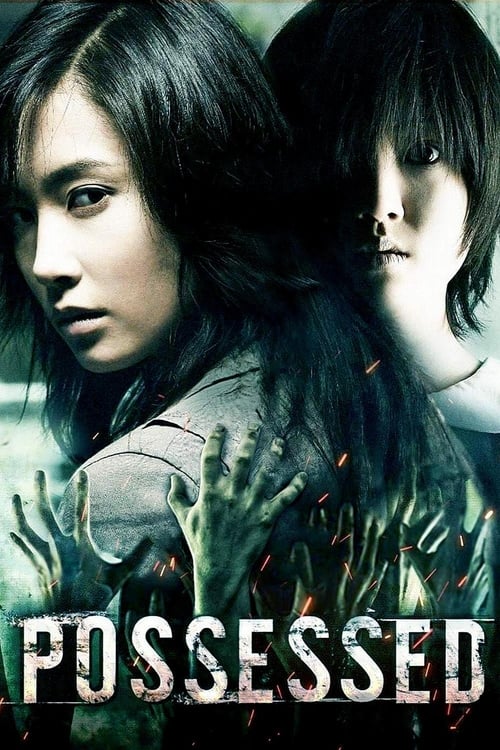
Possessed
2009
No user ratings available yet
Representation score: 6.3 out of 10
Representation Score
Good
2005
Director
Won Shin-yun
Runtime
106 minutes
Average Rating
No ratings yetNew Showbiz Analysis
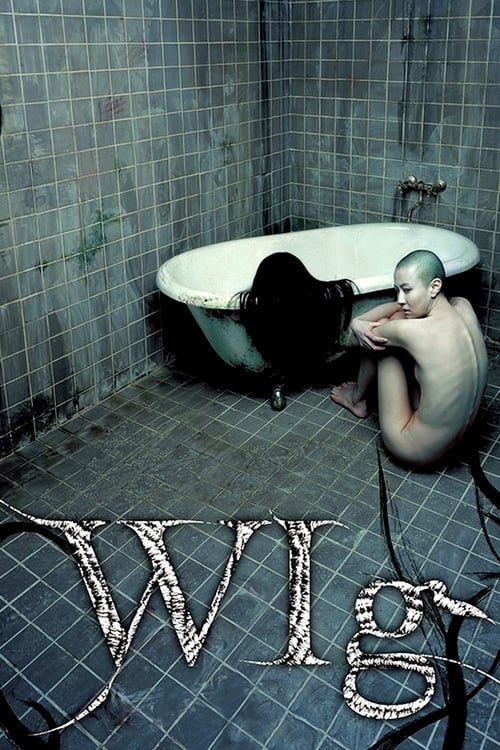
The Wig is a character-driven psychological study that relocates horror into female-centric domestic spaces. It successfully subverts genre expectations by focusing on identity loss and illness rather than traditional clichés. While the film lacks diverse cultural representation, it provides a unique, non-Western perspective on horror. The narrative depth comes from exploring the fragility of the human body and the breakdown of domestic stability.
Category Breakdown
The film focuses on the strong bond between two sisters and does not include any explicit queer identities or subtext related to LGBTQ+ themes.
The movie avoids typical male-centric action by emphasizing the experiences and vulnerabilities of female characters. It delves into the psychological struggles of women, highlighting both their weaknesses and strengths.
This South Korean film presents a non-Western perspective on horror. The cast is ethnically uniform, centering on a local exploration of fear within the home.
The story questions the sanctity of the body and familial care by using a gift as a catalyst for horror. This challenges traditional views of benevolence and domesticity.
The protagonist's terminal cancer is central to her character development and the horror. The film examines how physical frailty intersects with a loss of personal autonomy.
Present on Screen
Limited or Absent
Official Synopsis
Su-hyeon, a patient with terminal cancer, gets a wig as a present from her sister, Ji-hyeon. Strange things happen as Su-hyeon wears the wig and horror starts to sweep over Ji-hyeon as she watches her sister getting slowly possessed.
2009
2000
2007
2007
2011

2009
2005
2020
No reviews yet. Be the first to share your thoughts on this movie!
Use the rating form above to leave a star rating and optional review.