Backyard
1984
No user ratings available yet
Representation score: 2.2 out of 10
Representation Score
Limited
2004
Not RatedDirector
Ross McElwee
Runtime
108 minutes
Average Rating
No ratings yetNew Showbiz Analysis
Bright Leaves is a deeply personal, postmodern documentary that emphasizes individual introspection over broad demographic representation. It serves as a reflection on memory and the formation of identity through the lens of the filmmaker's genealogy. The film primarily aims to deconstruct the 'constructedness' of history and cinema. It explores how ancestral myths and commercial melodramas shape our understanding of the past, rather than addressing systemic social hierarchies. Ultimately, the work is a specialized study of the self. While it provides a nuanced view of heritage, it lacks the intentionality to represent diverse social groups or challenge traditional power structures.
Category Breakdown
The film does not include any LGBTQ+ characters or stories. It focuses solely on the filmmaker's family history and his relationship with the Southern landscape.
The story centers around a male perspective through McElwee’s self-reflection. While it touches on femininity through literary figures, it does not give women a leading role or challenge traditional gender roles.
The documentary highlights the white, agricultural roots of the filmmaker's ancestors. It does not feature a diverse cast or delve into the complex racial dynamics of the North Carolina tobacco region.
The film questions commercial melodrama by contrasting it with real-life Southern experiences. It employs a postmodern approach to challenge idealized Western histories and the unreliability of historical memories.
The film does not address physical, neurodivergent, or sensory disabilities in its documentation.
Present on Screen
Limited or Absent
Official Synopsis
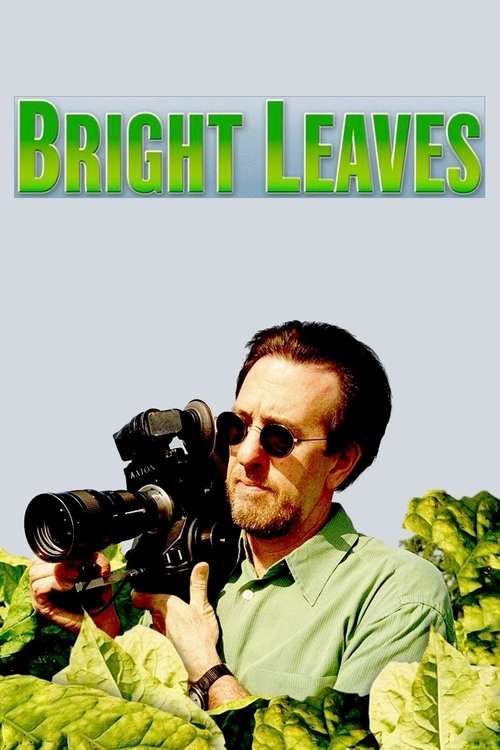
Ross McElwee travels through the North Carolina tobacco belt in search of the ancient southern traditions associated with tobacco growing and use, while comparing his filmmaking to commercial cinema, represented by Bright Leaf, a melodrama directed by Michael Curtiz in 1950, starring Gary Cooper, apparently based on the life of his great-grandfather.
1984
1929
1986
2008
2000
2014

2011
2008
No reviews yet. Be the first to share your thoughts on this movie!
Use the rating form above to leave a star rating and optional review.