
The Real Dirt on Farmer John
2006
No user ratings available yet
Representation score: 4.3 out of 10
Representation Score
Minimal
2016
Director
Laura Dunn, Jef Sewell
Runtime
82 minutes
Average Rating
No ratings yetNew Showbiz Analysis
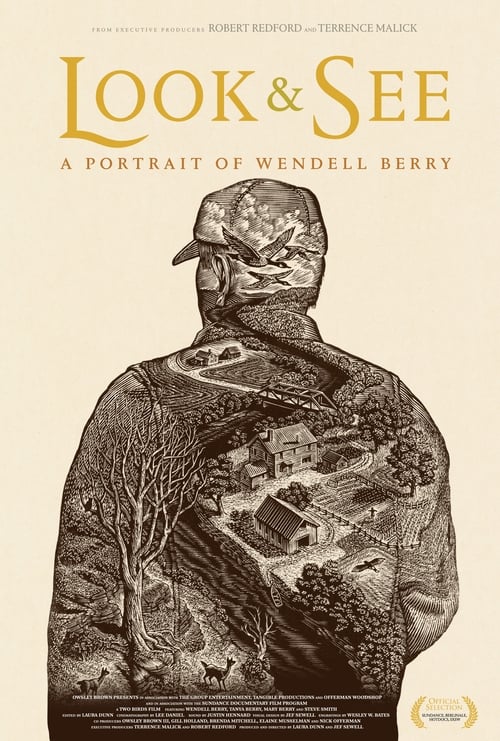
Look & See is a documentary that emphasizes ecological philosophy and traditionalist thought. The film celebrates continuity and the preservation of local heritage, which aligns with established social structures. Since the documentary focuses on a specific, homogeneous rural Kentucky community, it lacks the diverse representation found in more modern works. The narrative structure highlights stewardship over deconstructing social norms. Ultimately, the film provides a strong critique of industrial systems, but it frames this struggle through environmental and communal responsibility rather than through the lens of modern identity politics.
Category Breakdown
The film does not include any LGBTQ+ characters or stories. It focuses on the agrarian life and the immediate family and community connections.
The story centers around the patriarchal figure of Wendell Berry. Women and children appear in established family and community roles without challenging traditional hierarchies.
The film portrays a homogeneous community in rural Kentucky. It serves as a cultural portrait rather than showcasing a diverse cast of characters.
The film critiques industrial capitalism through the lens of stewardship and localism. It emphasizes spiritual connections to the land and communal responsibility over identity politics.
There is no significant focus on visible or invisible disabilities within the main storyline.
Present on Screen
Limited or Absent
Official Synopsis
A cinematic portrait of farmer and writer Wendell Berry. Through his eyes, we see both the changing landscapes of rural America in the era of industrial agriculture and the redemptive beauty in taking the unworn path.
2006
2000

2016
2013
2012

2017
2009
2019
No reviews yet. Be the first to share your thoughts on this movie!
Use the rating form above to leave a star rating and optional review.