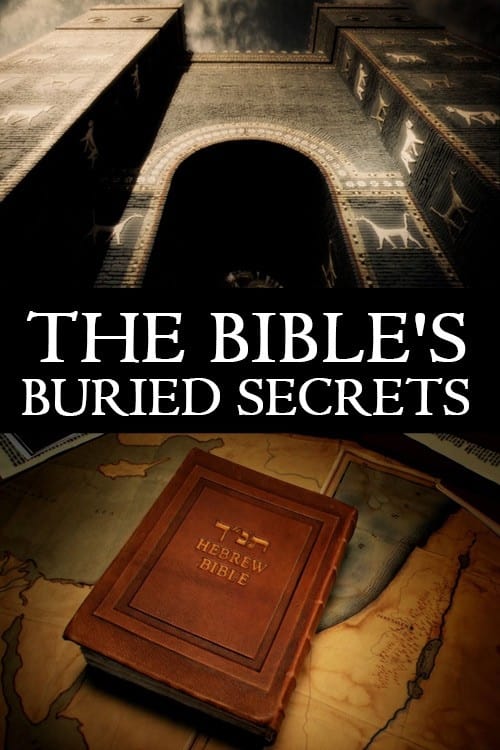
The Bible's Buried Secrets
2008
No user ratings available yet
Representation score: 3.7 out of 10

Representation Score
Fair
2004
PG-13Runtime
100 minutes
Average Rating
No ratings yetNew Showbiz Analysis
The documentary succeeds by using a global, multi-layered lens to challenge the dominance of traditional religious dogma. By moving the investigation across diverse landscapes like Turkey and the Middle East, it effectively reframes biblical history through a non-Anglo-Saxon perspective. However, the film's focus remains heavily academic and historical. While it deconstructs the structures of power, it lacks direct representation of specific social identities, particularly regarding LGBTQ+ individuals and people with disabilities. Ultimately, the work functions as a sophisticated critique of religious absolutism, shifting the viewer's focus from divine certainty to the complex, human origins of sacred texts.
Category Breakdown
The film focuses on historical and textual origins rather than contemporary social identities. It does not explicitly depict queer characters but critiques the structures that often uphold straight-centered relationships through biblical interpretation.
The documentary examines how biblical texts have established patriarchal structures. While it does not center on female protagonists, it offers a platform to question systemic gender biases embedded in religious canon.
The film disrupts Eurocentric monopolies by traveling from Birmingham to the West Bank and Jerusalem. Beckford’s perspective as a Black man provides a vital layer of ability to act in traditionally Western-dominated spaces.
The narrative prioritizes secular inquiry and historical skepticism over singular religious morality. It treats Western religious institutions as subjects of scrutiny, suggesting truth is a product of human ability to act and context.
There is no significant evidence regarding the portrayal of physical or neurodivergent disabilities within the film's thematic overview.
Present on Screen
Limited or Absent
Official Synopsis
Robert Beckford learned the Bible at his mother's knee and grew up believing that it was literally true. But, 20 years on from his Baptist upbringing, Beckford is no longer so sure that 'the good book' is the pure, unadulterated word of God untouched by human hand. For Beckford, who wrote the Bible matters more today than perhaps at any other moment in living memory. His journey takes him from Birmingham to the West Bank, from Jerusalem to Turkey, and from Rome to Bible Belt America.
2008
2013

2012
2019
2007
2017
2008

2006
No reviews yet. Be the first to share your thoughts on this movie!
Use the rating form above to leave a star rating and optional review.