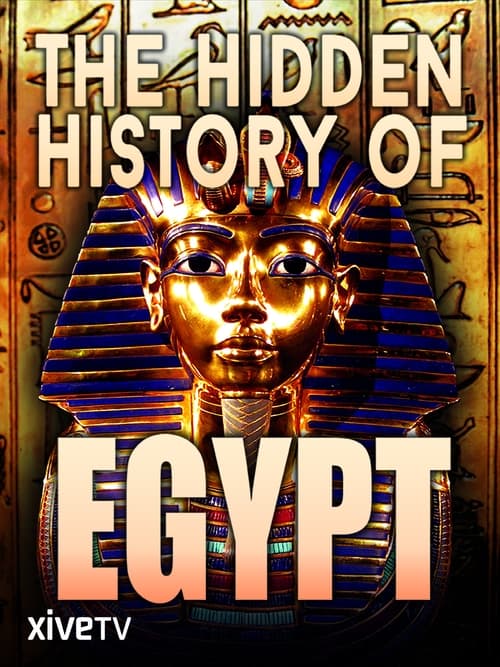
The Hidden History of Egypt
2002
No user ratings available yet
No diversity score available

2012
TV-PGDirector
Faris Kermani
Runtime
57 minutes
Average Rating
No ratings yetSynopsis
Explore the tradition of figurative art at the heart of Islam with host Rageh Omaar. Muslim belief and tradition specifies that there should be no depictions of God or the Prophet Muhammad. In religious contexts, this constraint on what artists can depict extends to human figures and other living creatures as well. These prohibitions have inspired a rich visual culture based on calligraphy, Arabesque floral designs, and geometry, all of which feature strongly in the art and design found throughout Islam, including in mosques and the Koran. With the help of fine art and religion experts, host Rageh Omaar (The Life of Muhammad) traces the effect of these beliefs over the centuries on the art and artists of the Islamic world and considers why depictions of pilgrims taking part in the Hajj pilgrimage have become part of the accepted tradition of Islamic art, including in work exhibited at the British Museum.
Overall Score
Good
Category Breakdown
LGBTQ+ Representation
The documentary focuses on theological constraints regarding figurative art. There is no evidence of LGBTQ+ characters or narratives within this religious art history context.
Gender Representation
The narrative explores Islamic calligraphy and geometry. While the film examines religious constraints, it lacks specific evidence regarding female agency or the subversion of gender hierarchies.
Racial & Ethnic Diversity
The film centers a non-Western perspective by exploring the visual culture of the Islamic world. It disrupts Eurocentric art history by highlighting a global, non-Anglo-Saxon cultural legacy.
Religious & Cultural Diversity
This documentary prioritizes non-Western religious traditions and validates geometric and calligraphic traditions as high art. It offers a sophisticated look at the intersection of faith and expression.
Disability Representation
There is no mention of subjects or characters with visible or invisible disabilities in the film's subject matter.
Strengths
Areas for Improvement
AI Analysis
The documentary succeeds as a tool for cultural expansion, shifting the narrative lens away from traditional Western art canons. By centering Islamic identity, it provides a platform for non-Western intellectual and artistic contributions. However, the film's focus on theological and historical art traditions results in a neutral stance regarding LGBTQ+ and gender-specific narratives. The subject matter does not actively engage with these identities. Ultimately, the work excels in its cultural and racial framing, offering a globalized understanding of aesthetic history that challenges Western-centric views of art.
2002
2011
2009
1957
2016
2009
2011
2006
2012
2009
1978
2017
No reviews yet. Be the first to share your thoughts on this movie!
Use the rating form above to leave a star rating and optional review.