Mayan Revelations: Decoding Baqtun
2015
No user ratings available yet
Diversity score: 6.3 out of 10
2009
Director
Chad Cohen
Runtime
90 minutes
Average Rating
No ratings yetSynopsis
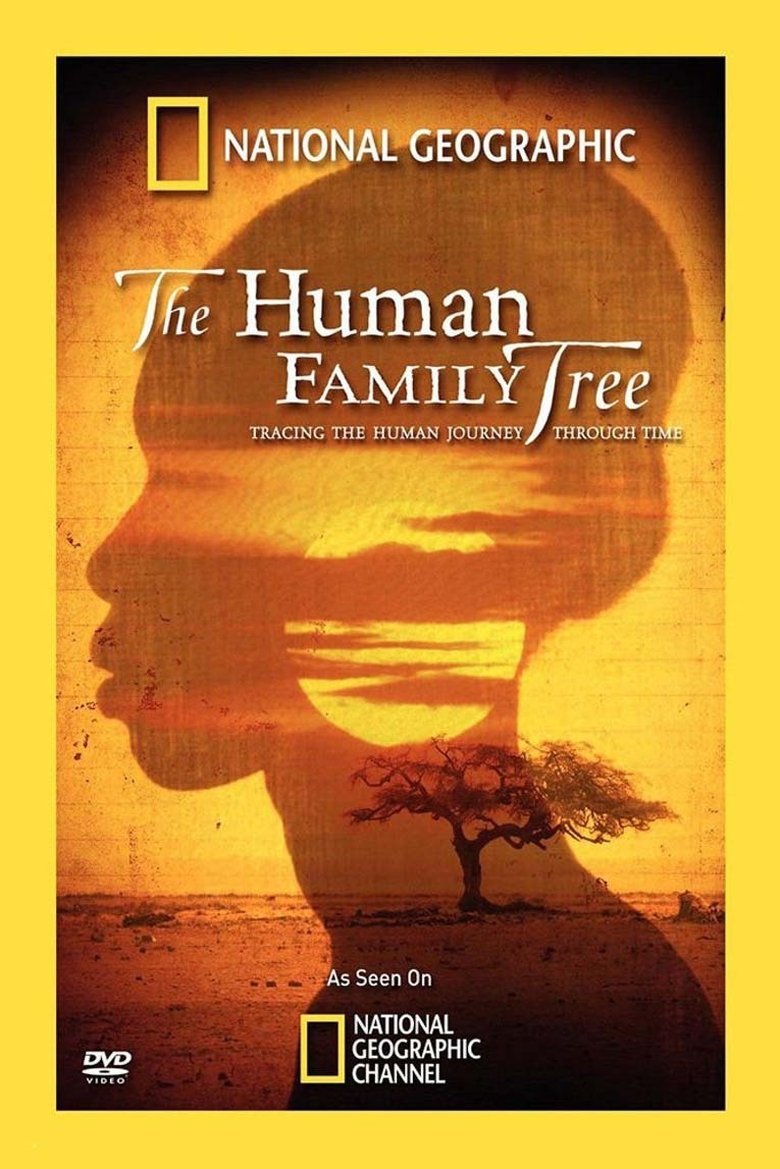
Dr Spencer Wells retraces the footsteps of 200 random New Yorkers and proves they are all cousins. On the most diverse street in the most diverse city in the most diverse country in the world, a team of National Geographic scientists swab the cheeks of some 200 random New Yorkers. The goal: to retrace our ancestral footprints and prove we are all cousins in the “family of man.” Cutting edge science, coupled with a cast of New Yorkers – each with their own unique genetic history - will help paint a picture of these amazing journeys. Ultimately, Man’s First Migrations answers some of humanity’s most burning questions, such as who we are and where we come from, and forces us to change how we think not only about our relationships with our neighbours, but ourselves.
Overall Score
Good
Category Breakdown
LGBTQ+ Representation
The documentary focuses on genetic lineage and ancestral migration rather than identity-based narratives. While the New York City setting is inherently diverse, there is no explicit depiction of queer-specific narratives.
Gender Representation
The narrative prioritizes biological and evolutionary data over gendered social hierarchies. The focus remains on the egalitarian concept of shared ancestry rather than the subversion or reinforcement of gender roles.
Racial & Ethnic Diversity
The film demonstrates exceptional intentionality in pursuing racial and ethnic intersectionality. By using 200 random New Yorkers, it actively disrupts conventional racial silos to prove a shared genetic heritage.
Religious & Cultural Diversity
The documentary challenges Western-centric views by emphasizing a global, interconnected human history. It promotes a progressive framework that critiques 'otherness' through scientific evidence rather than religious or nationalist mythologies.
Disability Representation
There is no information regarding the inclusion of individuals with visible or invisible disabilities. It remains unclear if disability is addressed within the genetic study or absent from the film.
Strengths
Areas for Improvement
AI Analysis
The film excels at using scientific inquiry to dismantle racial and ethnic hierarchies. By framing humanity as a singular, interconnected family, it provides a powerful deconstruction of tribalism and national identity. However, the documentary's focus on biological data leaves little room for social identity narratives. This results in a neutral stance regarding LGBTQ+ and gender-specific representation, as the scientific lens takes precedence over social dynamics. Ultimately, the work is a triumph of globalism, though it lacks specific engagement with disability or identity-driven storytelling.
2015

2016
1986

2014

2005

2012

2017

2013
2012

2014

2003

2022
No reviews yet. Be the first to share your thoughts on this movie!
Use the rating form above to leave a star rating and optional review.