Alles im Eimer
1981
No user ratings available yet
Representation score: 5.2 out of 10
Representation Score
Fair
1978
Director
Peter Medak
Runtime
87 minutes
Average Rating
No ratings yetNew Showbiz Analysis
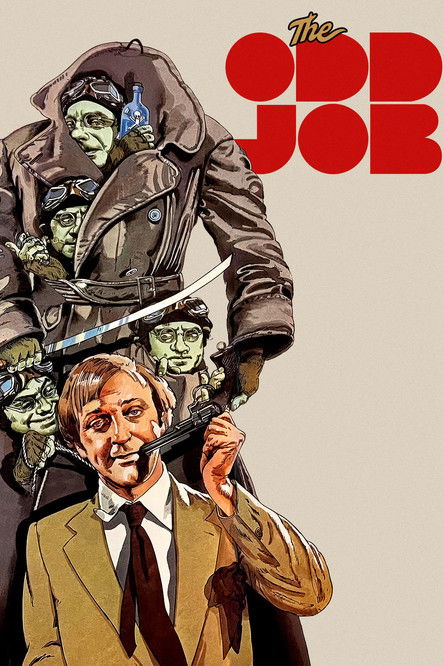
The Odd Job is a dark comedy that explores the breakdown of a marriage. It successfully deconstructs the archetype of the stable, competent male through the protagonist's descent into existential crisis and dysfunction. However, the film lacks significant markers of racial or LGBTQ+ diversity. The narrative remains focused on a specific, traditional domestic conflict that offers limited space for diverse representation. Ultimately, the film's impact lies in its subversion of social norms and its critique of Western familial structures rather than its inclusivity.
Category Breakdown
The main storyline revolves around a heterosexual marriage breaking down. There are no explicit representations of LGBTQ+ identities or non-cisgender narratives within the central plot.
Fiona takes a leading role by independently deciding to leave her marriage, challenging the cliché of the supportive wife. The male protagonist's decline questions traditional views of masculine strength.
The film does not provide any information about the racial or ethnic makeup of the cast. Considering its 1978 production date, there are no explicit signs of diverse casting.
The film critiques the idea of the perfect nuclear family by showing domestic ideals as fragile constructs. It emphasizes individualistic choices over traditional moral or religious frameworks.
The protagonist's struggle with suicidal thoughts and mental health issues is central to the plot. However, it is unclear whether these issues are portrayed with depth or used as comedic elements.
Present on Screen
Limited or Absent
Official Synopsis
Arthur Harris is a happily married man who returns from his job to discover that his wife, Fiona, is leaving him. Devastated he gets really drunk and tries to commit suicide. After a few setbacks and while he is trying to electrocute himself with a lamp, the door bell rings. An odd man in a leather coat asks if there are any odd jobs that he can perform. Arthur hires the man to kill him. The next day his wife returns, but the man he hired is still trying to kill him...
1981

1980
1957
1961
1966

1990
1975
1964
No reviews yet. Be the first to share your thoughts on this movie!
Use the rating form above to leave a star rating and optional review.