Smorgasbord
1983
No user ratings available yet
Representation score: 2.2 out of 10
Representation Score
Fair
1972
Director
Pierre Richard
Runtime
98 minutes
Average Rating
No ratings yetNew Showbiz Analysis
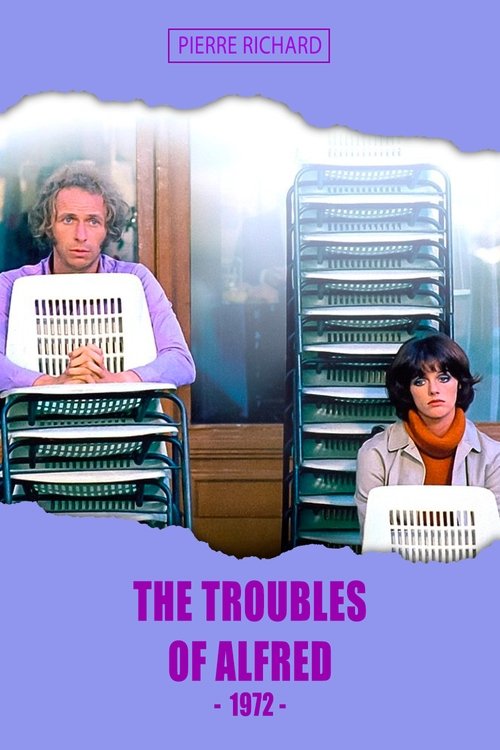
The film is a traditional character-driven comedy centered on the 'lovable loser' archetype. While it features a protagonist who is a social outsider, the narrative structure remains firmly within conventional mid-century comedic boundaries. Representation is largely limited to straight-centered romance and traditional European demographics. The film prioritizes situational absurdity and individual eccentricity over any meaningful systemic critique. Ultimately, the work functions as a standard comedy of errors. It uses themes of vulnerability and corruption as tools for slapstick humor rather than as vehicles for exploring complex social identities.
Category Breakdown
The story revolves around heterosexual romance between Alfred and a young woman. There are no queer narratives or non-straight representations in the plot.
A female character offers refuge and care to the protagonist, showing some influence. However, the main storyline focuses on the male protagonist's personal struggles and misfortunes.
Set in Paris, the film follows traditional European casting norms. The narrative aligns with the homogeneous demographic standards typical of 1970s French commercial cinema.
The film critiques media manipulation through a corrupt television boss. It emphasizes individual bad luck and underdog clichés rather than a systemic critique of Western institutions.
Themes of mental health and physical vulnerability emerge from the protagonist's suicide attempt. These elements serve as comedic plot devices rather than nuanced studies of lived experience.
Present on Screen
Limited or Absent
Official Synopsis
Unlucky in love, Alfred tries to commit suicide, only to be thwarted by police efforts to prevent a simultaneous attempt by a nearby young woman. Recovering, the young lady puts him up at her house, as he has run out of places to live. He joins a Parisian sporting team and seems to have transferred his bad luck to a corrupt television boss who is attempting to manipulate the game so that Alfred's Paris team loses.
1983

1977

1981
1968
1970

2002

1985

1963
No reviews yet. Be the first to share your thoughts on this movie!
Use the rating form above to leave a star rating and optional review.