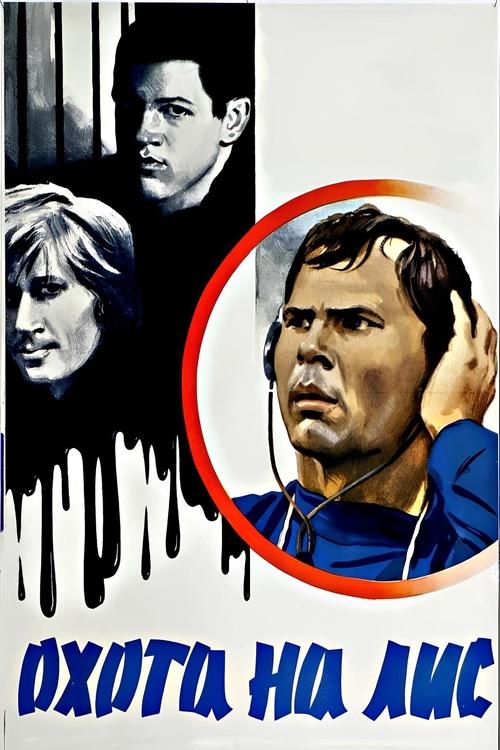
A Fox Hunt
1980
No user ratings available yet
Representation score: 4.6 out of 10
Representation Score
Limited
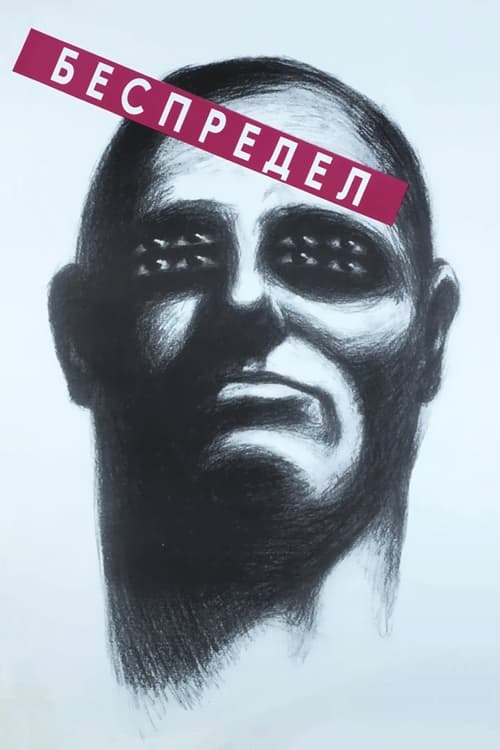
1989
Director
Igor Gostev
Runtime
102 minutes
Average Rating
No ratings yetNew Showbiz Analysis
Bespredel is a gritty crime drama that prioritizes a critique of systemic power over diverse identity. Its narrative structure focuses on the conflict between an individual and a corrupt institutional hierarchy. The film finds its strength in exploring the breakdown of authority during the late Soviet era. However, this thematic depth does not extend to demographic diversity. Ultimately, the film functions as a study of class and systemic power rather than a platform for diverse social representation.
Category Breakdown
The film does not include any LGBTQ+ characters or narratives. It follows the strict social hierarchies common in Soviet-era crime dramas.
The story centers on a highly masculine prison environment, focusing on male inmates and authority figures. It offers little evidence of women playing a significant role in the plot.
The cast likely reflects a uniform demographic typical of 1989 Soviet cinema. There is no indication of significant ethnic or racial diversity.
The film excels in portraying systemic corruption and anti-authoritarianism. It effectively challenges institutional authority through the protagonist's rebellion against an oppressive system.
There is no mention of characters with visible or invisible disabilities within the narrative.
Present on Screen
Limited or Absent
Official Synopsis
Using an elaborate system of denunciation, the chief of the Zone keeps his prisoners in check. A new inmate, allegedly imprisoned for speculating on postage stamps, tries to rebel against the system.
1980

2014
1986
1985
1997

1980
1960

2017
No reviews yet. Be the first to share your thoughts on this movie!
Use the rating form above to leave a star rating and optional review.