
The Bikini Carwash Company
1992
No user ratings available yet
Diversity score: 2.7 out of 10

1987
RDirector
Ed Hansen
Runtime
91 minutes
Average Rating
No ratings yetSynopsis
A school for strippers is in trouble. They audition for the owner, and he's pleased, except that the new girl can't make herself take her clothes off. After hypnosis, she's ready, willing, and able, but always strips when she hears music, and threatens the future of the strip school.
Overall Score
Limited
Category Breakdown
LGBTQ+ Representation
The plot centers on a heteronormative dynamic between a male owner and female performers. There is no evidence of queer narratives or non-cisnormative identities.
Gender Representation
The film treats the female body as a commodity for spectacle. The protagonist's lack of bodily autonomy due to hypnosis reinforces traditional gendered hierarchies.
Racial & Ethnic Diversity
The narrative lacks any indication of a diverse or non-white cast. It appears to follow the homogeneous casting standards typical of 1980s exploitation comedies.
Religious & Cultural Diversity
The story functions within a standard capitalist entertainment model. It focuses on vocational spectacle rather than engaging with broader cultural or social critiques.
Disability Representation
Hypnosis is used as a comedic plot device rather than a meaningful portrayal of neurodivergence. The character's loss of control drives the conflict.
Strengths
Areas for Improvement
AI Analysis
Takin' It All Off is a product of the 1980s exploitation comedy era, prioritizing commercial tropes over progressive storytelling. The film relies on a premise where female agency is stripped away by external stimuli, reinforcing a traditional male gaze. Representation is minimal across the board. The narrative lacks queer identities, racial diversity, or any meaningful engagement with disability, instead using psychological states as a punchline for comedic effect. Ultimately, the film serves as a period-specific example of genre filmmaking that prioritizes vocational spectacle and heteronormative tropes over intersectional depth.
1992

1983

1992
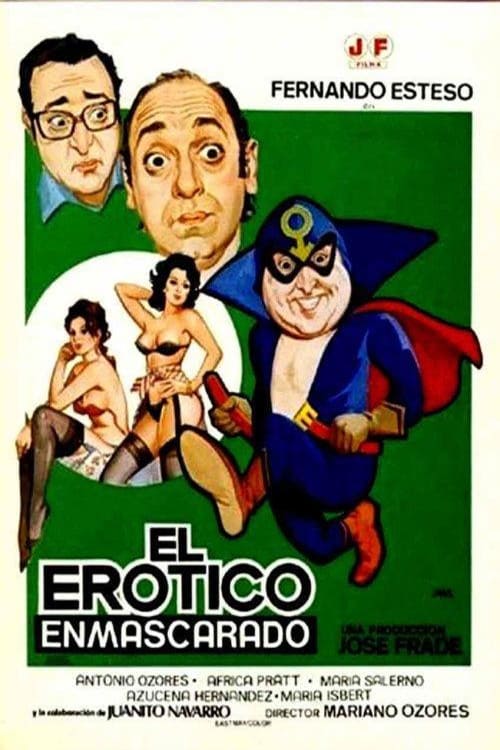
1980

1976

1984
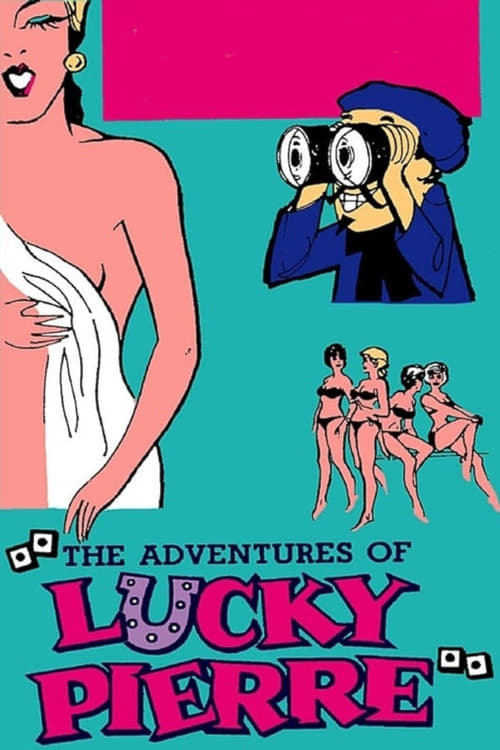
1962
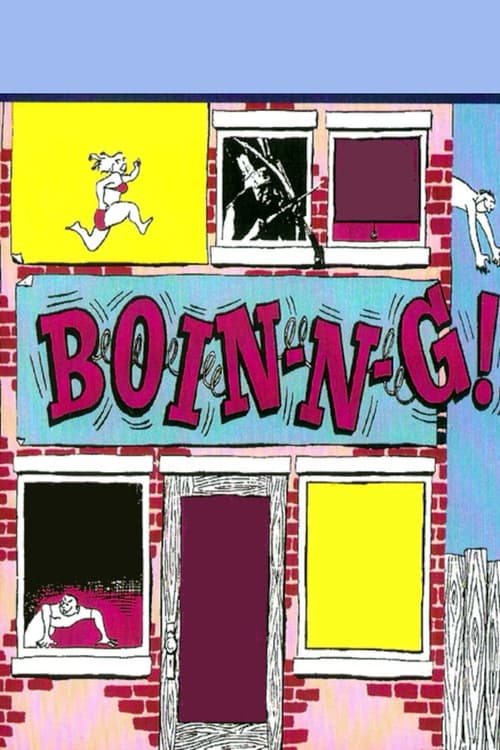
1963
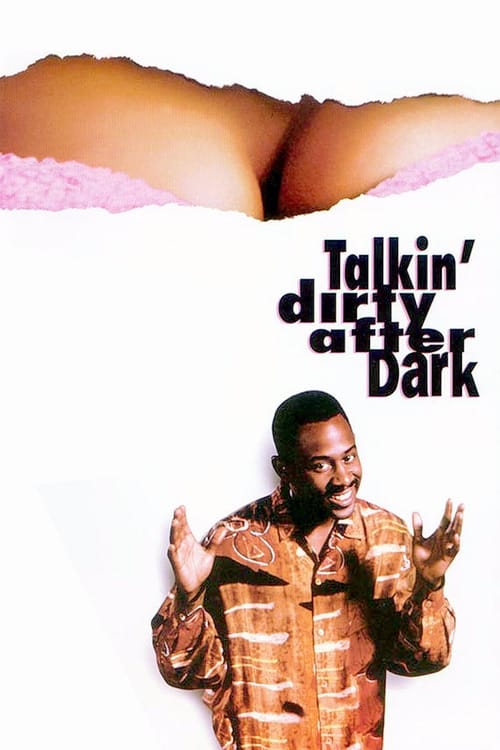
1991
1987
1979

1972
No reviews yet. Be the first to share your thoughts on this movie!
Use the rating form above to leave a star rating and optional review.