
Beyond the Call
1996
No user ratings available yet
Representation score: 2.3 out of 10
Representation Score
Fair
2003
Director
Robert Markowitz
Runtime
120 minutes
Average Rating
No ratings yetNew Showbiz Analysis
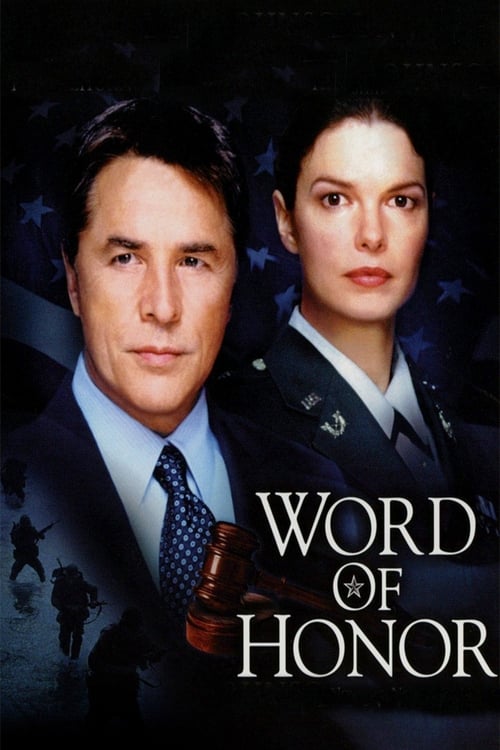
Word of Honor is a character-driven drama that pits an individual against a powerful military and governmental apparatus. It excels at interrogating historical truth and institutional corruption, providing a sophisticated critique of systemic accountability. However, the film remains anchored in traditional masculine and domestic frameworks. It lacks the breadth in gender and identity representation necessary for a more progressive score. The narrative's strength lies in its exploration of moral relativism and the friction between personal ethics and state authority.
Category Breakdown
The film focuses on the psychological impact of military service and traditional domestic life. There is no clear depiction of LGBTQ+ identities or critiques of heteronormativity.
The story follows a traditional masculine narrative centered on trauma and stoicism. While the protagonist plays a significant role, supporting characters seem to reinforce conventional gender roles and domestic stability.
The narrative centers on a specific historical military event and the accountability of a platoon. There is no clear evidence of a non-white majority cast or subversion of racial hierarchies.
The film engages with subjective morality by framing the military and government as entities protecting their own interests. It prioritizes individual conscience over institutional preservation.
Psychological trauma and guilt drive the character arc, but these are treated as moral struggles rather than through a lens of neurodivergence. These conditions risk being used merely as plot devices.
Present on Screen
Limited or Absent
Official Synopsis
Prompted by a just-published book that holds ex-lieutenant Ben Tyson accountable for a hushed-up massacre committed by his platoon in a Hue hospital 18 years before, the army recalls Tyson to stand trial for murder. Tyson, confronted by an army authority anxious to save its own face, an embarrassed federal government, and a threatened marriage, and entangled, furthermore, in his own past lives and present sense of guilt, must call on all his cleverness and his own inner toughness to fight his case.
1996

1989
1984
1980
1988
1984
1994

1994
No reviews yet. Be the first to share your thoughts on this movie!
Use the rating form above to leave a star rating and optional review.