
Daata
1989
No user ratings available yet
Representation score: 2.7 out of 10
Representation Score
Limited
1992
Director
Farogh Siddique
Runtime
172 minutes
Average Rating
No ratings yetNew Showbiz Analysis
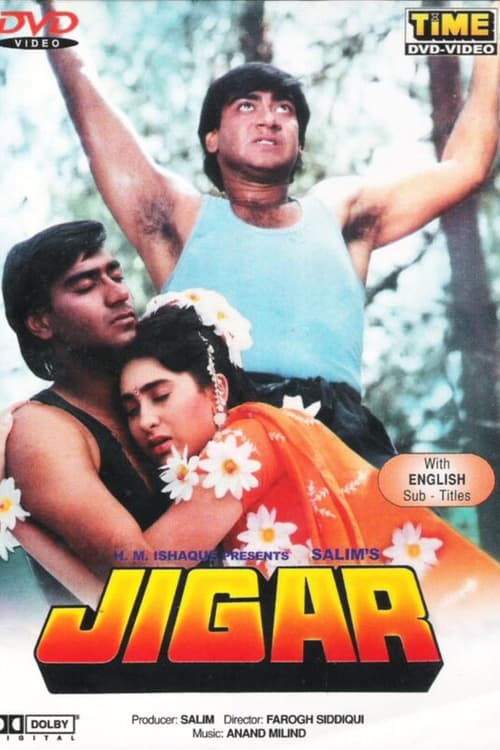
Jigar is a typical 1990s martial arts revenge film that prioritizes genre clichés over progressive representation. The narrative engine is driven by a male hero's physical training and quest for vengeance, which keeps the focus on traditional masculine archetypes. While the film offers a localized South Asian cultural perspective, it does not challenge systemic power dynamics. Female characters, despite a moment of ability to act in the climax, largely function as emotional catalysts for the male lead's development. The film adheres to established social hierarchies and traditional gender roles, making it a standard example of its era's commercial action-drama filmmaking.
Category Breakdown
The film follows a conventional structure that assumes everyone is straight and cisgender. There are no representations of LGBTQ+ identities or non-cisgender perspectives.
The narrative focuses on the male protagonist's journey of vengeance. Women primarily serve as romantic interests or victims, with a brief moment where Suman takes decisive action against an antagonist.
As a Hindi-language production, the film centers on South Asian identities. It provides a localized view of Indian social dynamics without exploring a multicultural perspective.
The story relies on traditional concepts of honor and restorative justice. It reinforces classical social hierarchies rather than challenging them.
There is no mention of characters navigating physical, neurodivergent, or mental health disabilities within the plot.
Present on Screen
Limited or Absent
Official Synopsis
When a gangster takes over the art of karate and causes unrest in a town, one man rises to fight against them.
1989

2006
1994

2018
1980

2013
2004

2010
No reviews yet. Be the first to share your thoughts on this movie!
Use the rating form above to leave a star rating and optional review.