Shadow
2013
No user ratings available yet
Representation score: 4.0 out of 10
Representation Score
Limited
1994
Director
Farogh Siddique
Runtime
163 minutes
Average Rating
No ratings yetNew Showbiz Analysis
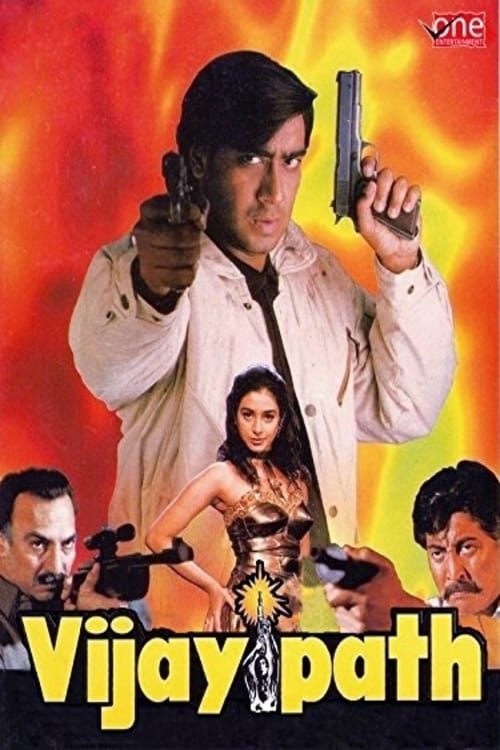
Vijaypath is a classic mid-90s action-drama that emphasizes traditional themes of heroism and family loyalty. It excels in offering genuine regional representation by centering South Asian identities within their natural cultural context. However, the film does not intentionally challenge social norms. The narrative structure upholds established gender roles and the assumption that everyone is straight or cisgender, focusing on a male-driven quest for vengeance. While disability is a significant character element, it primarily serves the broader revenge narrative rather than exploring broader social issues.
Category Breakdown
The film follows strict conventions that assume everyone is straight or cisgender, which is typical of 1990s commercial cinema. There are no non-binary gender identities or same-sex relationships among the characters.
The male protagonist's journey of vengeance dominates the narrative. While the female lead is important for emotional stakes, she mainly serves as a romantic interest.
The film features a predominantly South Asian cast that fits its cultural context. It centers South Asian identities in roles of high influence without whitewashing.
Themes focus on justice, retribution, and the importance of family. The story emphasizes individual morality rather than criticizing institutions.
Visual impairment is a key part of the plot, involving a corneal transplant. While the disability drives the revenge plot, the protagonist remains an active, influential character.
Present on Screen
Limited or Absent
Official Synopsis
The family of Justice Saxena is extremely happy until his younger brother Inspector Rajesh Saxena (Suresh Oberoi) arrests a notorious gangster, Bhawani Singh. Justice Saxena sentences Bhawani Singh to death. Bhawani Singh's brother, Dilawar Singh (Danny Denzongpa), vows to avenge his brother and he kills the judge as well as his driver Shanker. Dilawar Singh also tries to kill their sons. Driver Shanker's son, Karan (Ajay Devgan) loses his eyesight while saving Justice Saxena's son Babloo. Justice Saxena's wife, the two children and Rajesh Saxena leave the city. Dilawar Singh finds them and kills the Judge's wife and throws Babloo out of the running train. Before dying, Babloo donates his eyes to Karan. Karan vows that he will not remove his goggles till he confronts Dilawar Singh.
2013
1975

1989
2012

1989
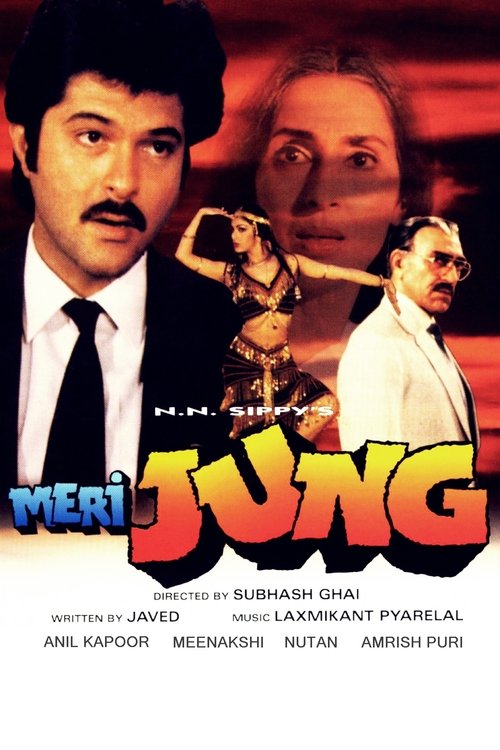
1985
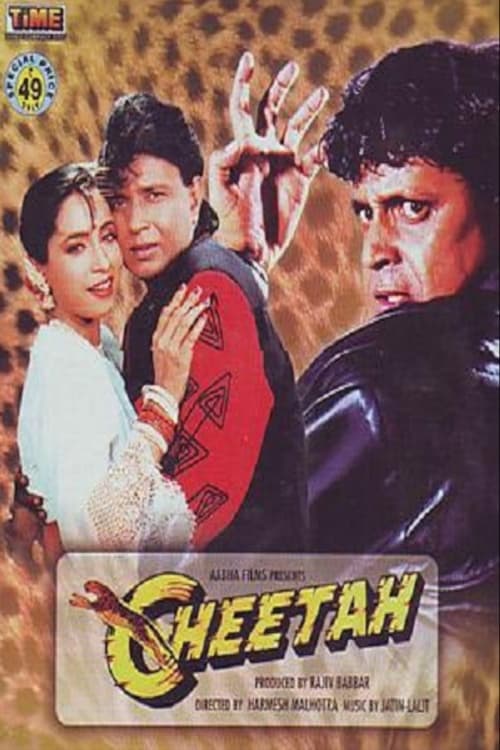
1994
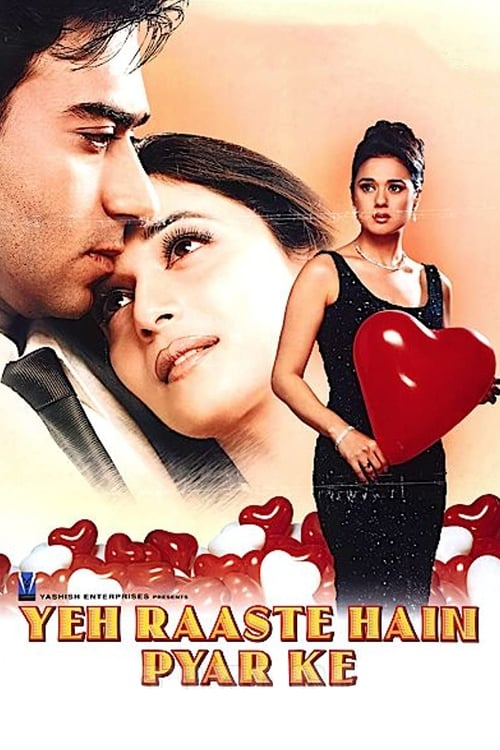
2001
No reviews yet. Be the first to share your thoughts on this movie!
Use the rating form above to leave a star rating and optional review.