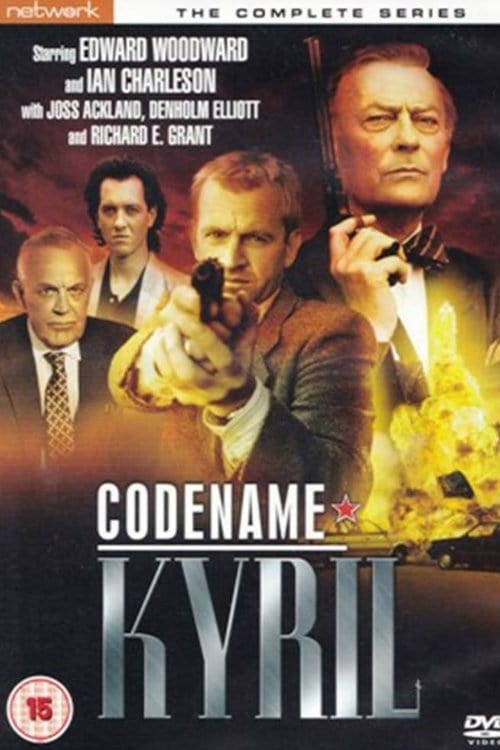
Codename: Kyril
1988
No user ratings available yet
Representation score: 1.9 out of 10

Representation Score
Limited
1988
PGDirector
Richard Benjamin
Runtime
98 minutes
Average Rating
No ratings yetNew Showbiz Analysis
Little Nikita is primarily a character study focused on adolescent autonomy and questioning authority. It presents a female protagonist who play a significant role in driving the story, moving away from passive stereotypes to highlight intellectual independence. However, the film lacks depth in representing LGBTQ+ identities or racial diversity. It maintains a homogeneous cast reflecting its specific mid-century European context without broader inclusivity. Overall, the film's progressive elements are tied to subverting traditional gender roles rather than a diverse social landscape.
Category Breakdown
The film does not engage with LGBTQ+ identities or same-sex relationships. It focuses on traditional adolescent development and mentorship within a framework that assumes everyone is straight.
Nikita challenges the stereotype of a submissive child by being precocious and rebellious. She defies school hierarchies and traditional gender roles expected of young girls.
Set in mid-century France, the cast is largely uniform. The film does not use color-blind casting or blend races to enhance its narrative.
The story emphasizes personal experience and subjective morality over institutional rules. Nikita's defiance of authority portrays anti-social behavior as a route to personal freedom and intellectual growth.
There are no prominent depictions of disabilities that affect the narrative.
Present on Screen
Limited or Absent
Official Synopsis
An FBI agent works to uncover an all-American family as Soviet sleeper agents, and gets caught up in friendship with their oblivious teenage son.
1988

1977
1986
1969
1979

1987
1973

1980
No reviews yet. Be the first to share your thoughts on this movie!
Use the rating form above to leave a star rating and optional review.