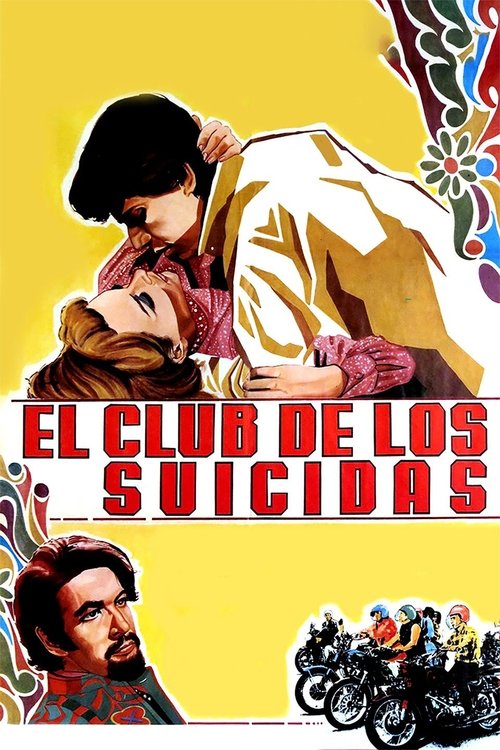
The Suicide Club
1970
No user ratings available yet
Representation score: 6.0 out of 10
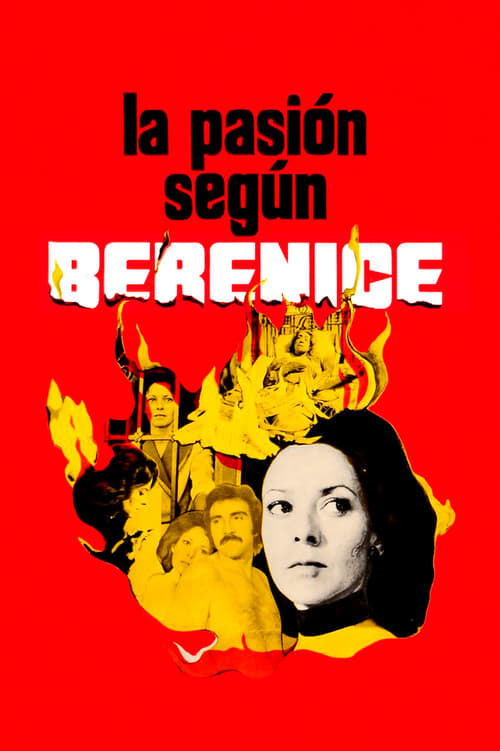
Representation Score
Good
1976
Director
Jaime Humberto Hermosillo
Runtime
101 minutes
Average Rating
No ratings yetNew Showbiz Analysis
Jaime Humberto Hermosillo’s film is a significant piece of cinematic deconstruction that challenges the conservative social landscape of 1970s Mexico. By focusing on Berenice's internal emotional and sexual growth, the film subverts traditional gender hierarchies and promotes moral relativism. The film excels in its portrayal of female empowerment and a culturally authentic Mexican setting. It uses the protagonist's journey to critique the restrictive social structures of the time. However, the film lacks explicit LGBTQ+ representation and does not provide any information about disability representation. Its primary focus remains on the deconstruction of heterosexual sexual norms.
Category Breakdown
The film centers on the heterosexual awakening of its main character. While it explores sexual freedom, it does not focus on LGBTQ+ identities or non-cisgender characters.
Berenice is a key figure who transitions from traditional roles to sexual autonomy. This shift challenges patriarchal structures and emphasizes female desire as central to the story.
The film features a predominantly Mexican cast, offering a culturally authentic perspective. It avoids the whitewashing common in Western-influenced films of the 1970s.
The narrative critiques strict moral and family structures through the protagonist's transformation. It prioritizes individual liberation over rigid religious or institutional rules.
There is no discernible evidence regarding the portrayal of physical or neurodivergent disabilities in this work.
Present on Screen
Limited or Absent
Official Synopsis
When a man appears in her life, a young woman of traditional manners who lives with her godmother suffers a deep and unusual transformation.
1970
1953
2009

2008
2009
1983
1976

1985
No reviews yet. Be the first to share your thoughts on this movie!
Use the rating form above to leave a star rating and optional review.