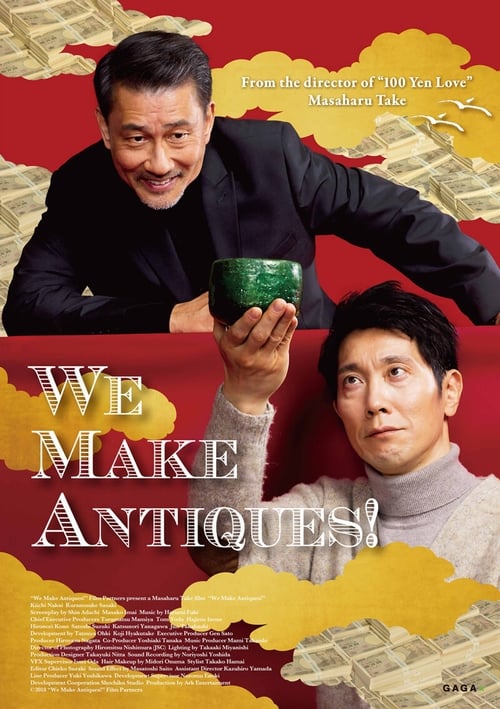
We Make Antiques!
2018
No user ratings available yet
Representation score: 3.3 out of 10
Representation Score
Fair
2020
Director
Masaharu Take
Runtime
106 minutes
Average Rating
No ratings yetNew Showbiz Analysis
The film primarily serves as a culturally specific comedy set in the Kansai region. It emphasizes traditional Japanese social structures and historical aesthetics over the deconstruction of globalized identity politics. While the addition of a female character introduces potential for gendered interaction, the narrative remains largely conventional. The focus is on the intersection of antique dealing and tea ceremony culture. Overall, the work lacks explicit evidence of multi-layered diversity or the disruption of traditional hierarchies, resulting in a moderate diversity profile.
Category Breakdown
The film does not include any explicit mention of LGBTQ+ characters or non-straight relationships. There is no clear evidence of queer narratives within the main storyline.
The introduction of Shino, a mysterious new woman, challenges the previously male-dominated dynamic between Noda and Koike. She brings the potential for a significant role in driving the story.
The story focuses on Japanese cultural specifics, centered around Sakai and Kyoto. The cast reflects local demographics without incorporating broader diversity.
The narrative heavily engages with traditional Japanese institutions such as the tea ceremony. It examines the tension between historical mastery and the opportunistic nature of antique dealing.
There is no evidence of characters with visible or invisible disabilities included in this work.
Present on Screen
Limited or Absent
Official Synopsis
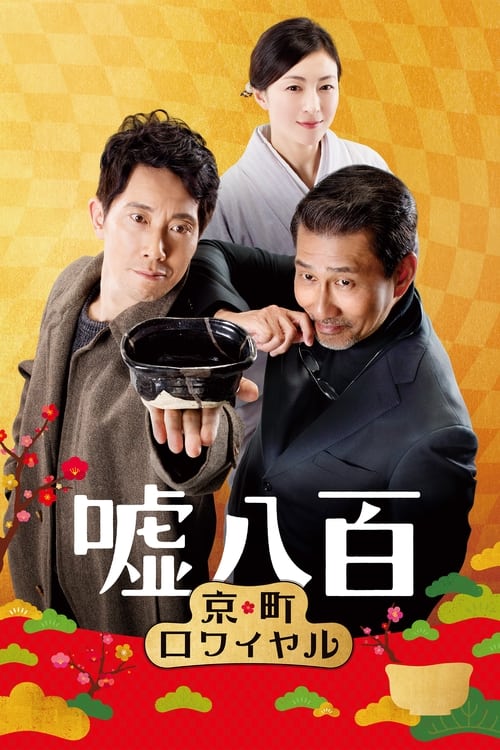
The central Kansai region of Japan is the setting for the historic cities of Sakai and Kyoto. Noda and Koike from We Make Antiques are back and together for the tea ceremony by Furuta Shigenari who is the master of the ceremony. Enter a mysterious new woman named Shino about whom the two have a feeling.
2018

2007
2023
2023

2022
1999

2013

2023
No reviews yet. Be the first to share your thoughts on this movie!
Use the rating form above to leave a star rating and optional review.