
Asian School Girls
2014
No user ratings available yet
Representation score: 6.3 out of 10
Representation Score
Fair
2022
Director
Yugo Sakamoto
Runtime
106 minutes
Average Rating
No ratings yetNew Showbiz Analysis
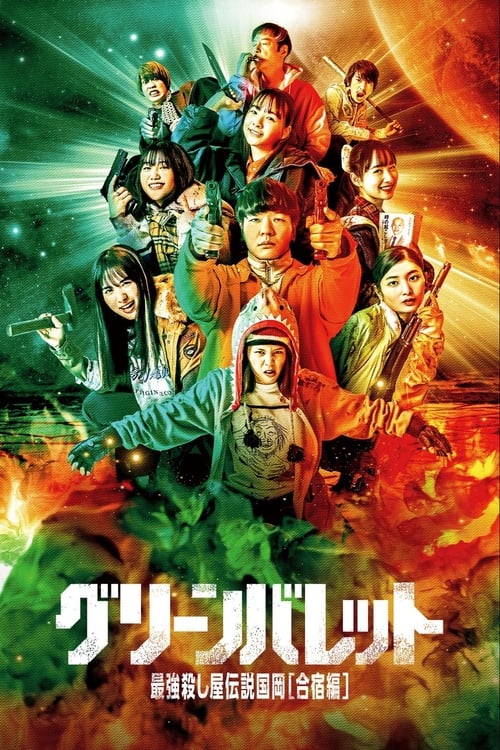
Green Bullet positions six women as the central protagonists, shifting the action focus away from a single male hero. The male instructor functions as a mentor, allowing the female ensemble to drive the plot through their training and combat skills. This structure supports a female-led narrative while maintaining traditional mentor-mentee dynamics. The cast is culturally homogeneous, consisting entirely of Japanese actors, which aligns with the film's domestic setting. However, this limits broader racial and ethnic representation. The story relies on clear institutional values and discipline, framing the antagonist group as chaotic without deeply exploring alternative cultural perspectives. The film lacks representation for LGBTQ+ individuals and people with disabilities. These absences are notable given the ensemble cast and the physical nature of the training. The narrative prioritizes camaraderie and action over diverse identity exploration, resulting in a straightforward but limited diversity profile.
Category Breakdown
The film contains no LGBTQ+ characters or same-sex romance. The six female trainees build platonic bonds through shared hardship. No romantic pairings or identity statements appear in the material.
Women drive the narrative as primary protagonists undergoing training. The male instructor serves as a mentor rather than the sole hero. Six women actively combat threats, balancing traditional dynamics with female-led action.
The cast consists entirely of Japanese actors, reflecting the film's cultural setting. No non-Asian characters appear in the provided context. Representation is homogeneous, matching the domestic market focus of the production.
The story centers on a structured training camp, emphasizing discipline and camaraderie. The antagonist group is described as anarchist hitmen, framing chaos as the threat. Traditional mentorship values are honored without questioning the institution itself.
No characters with physical or mental disabilities are mentioned. The training involves physical exertion, but no specific disability is portrayed as a lived condition or identity. The focus remains on combat skills and interpersonal conflict.
Present on Screen
Limited or Absent
Official Synopsis
Six girls participate in the boot camp for assassins. The instructor of the boot camp is the legendary hitman, Kunioka. At first, they repel each other, but the girls gradually develop friendships while enduring the hard training. By chance, the girls get involved in a life-threatening battle with a group of anarchist hitmen.
2014
1998
2012

2002

1997

2021
2021

2021
No reviews yet. Be the first to share your thoughts on this movie!
Use the rating form above to leave a star rating and optional review.