
Panash
2022
No user ratings available yet
Representation score: 7.7 out of 10
Representation Score
Fair
1988
Director
Gustavo Mosquera R.
Runtime
99 minutes
Average Rating
No ratings yetNew Showbiz Analysis
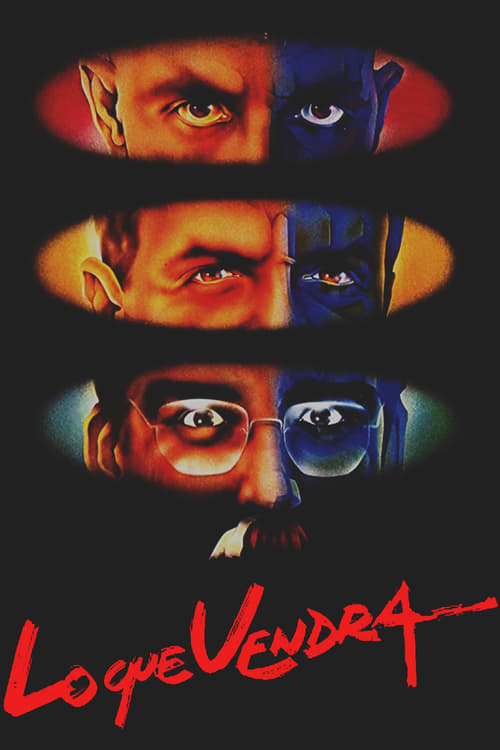
Lo que vendrá primarily functions as a socio-political critique of state power rather than a diverse character study. It successfully de-centers Western-centric storytelling by focusing on specific regional tensions in Argentina. However, the film heavily relies on traditional masculine archetypes. Its focus on a male-driven survivalist struggle limits its depth regarding gender and LGBTQ+ identities. While the film uses physical injury as a narrative catalyst, it lacks broader representation across other social dimensions. It is a work of social friction rather than inclusive character exploration.
Category Breakdown
The film does not include explicit LGBTQ+ characters or non-cisgender identities. The story revolves around three male-coded figures, reflecting traditional gender roles.
The plot centers on a conflict driven by masculine characters. Key roles such as the wounded civilian and the policeman are traditionally associated with male influence, while women have less impact on the plot.
Set in Argentina, the film shifts focus from Anglo-Saxon dominance. It highlights regional political instability, offering a localized, non-Western perspective on socio-political issues.
The film criticizes institutional authority by depicting the state as aggressive. The involvement of Charly García ties the work to themes of cultural rebellion.
A central plot point involves a character being shot, introducing physical vulnerability. It is unclear whether this impairment is explored deeply or merely serves as a plot device.
Present on Screen
Limited or Absent
Official Synopsis
In a city of the too near future, a city designated for desolation, aggression, and political instability, Miguel Galvan (Hugo Soto) is shot accidentally during a demonstration. This time and space provides a back drop to an intriguing sequence of events where three characters try desperately to survive: the wounded Miguel, an antagonistic policeman (Juan Leyrado), and a foolish vigilante smartly acted by cult rock star Charly Garcia of Sui Generis and Serú Girán fame, who also composed the film's score.
2022
1965
1997
1987
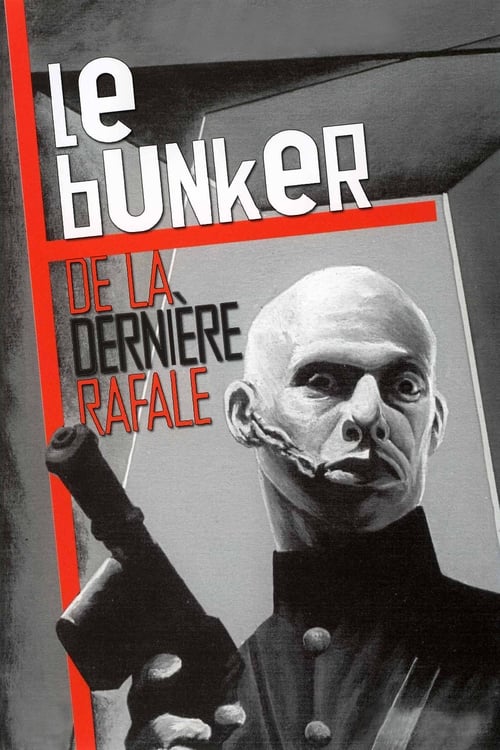
1982
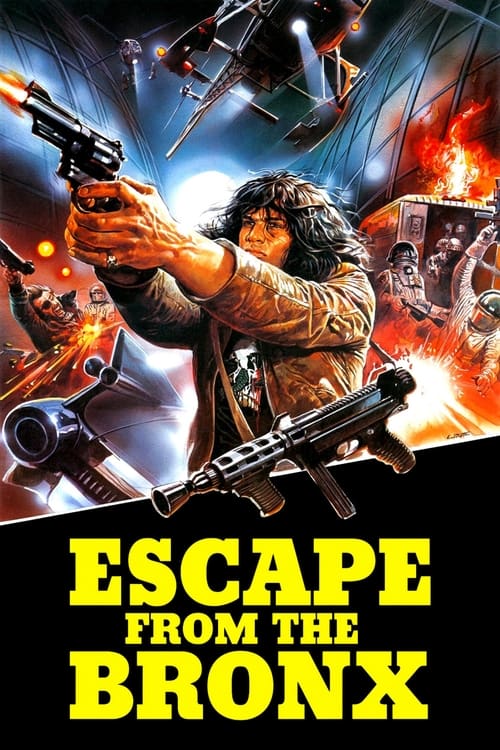
1983
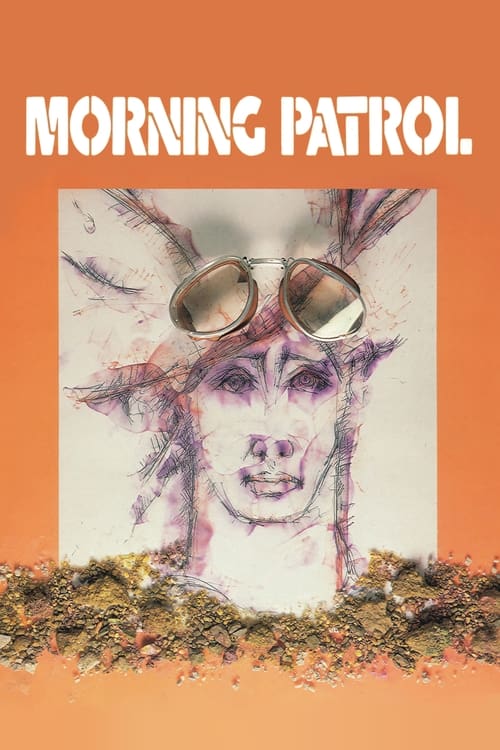
1987
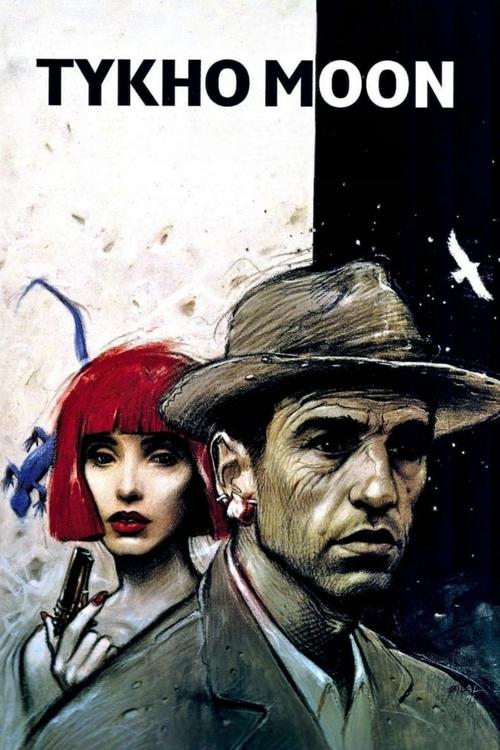
1996
No reviews yet. Be the first to share your thoughts on this movie!
Use the rating form above to leave a star rating and optional review.