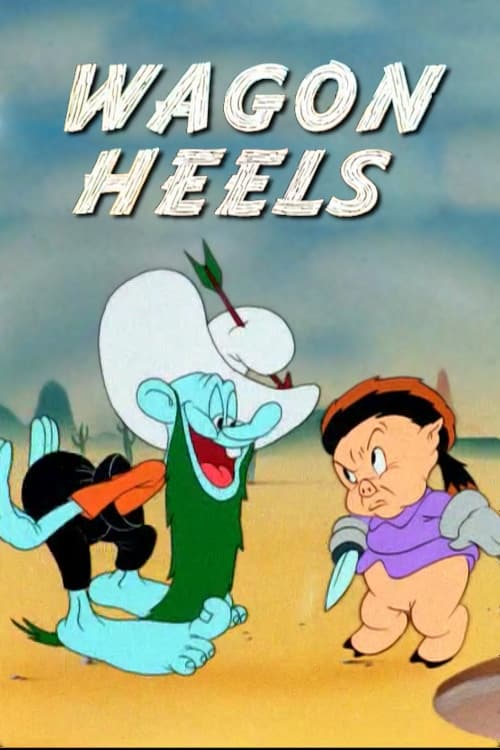
Wagon Heels
1945
No user ratings available yet
Representation score: 0.3 out of 10
Representation Score
Minimal
1938
Director
Robert Clampett
Runtime
7 minutes
Average Rating
No ratings yetNew Showbiz Analysis
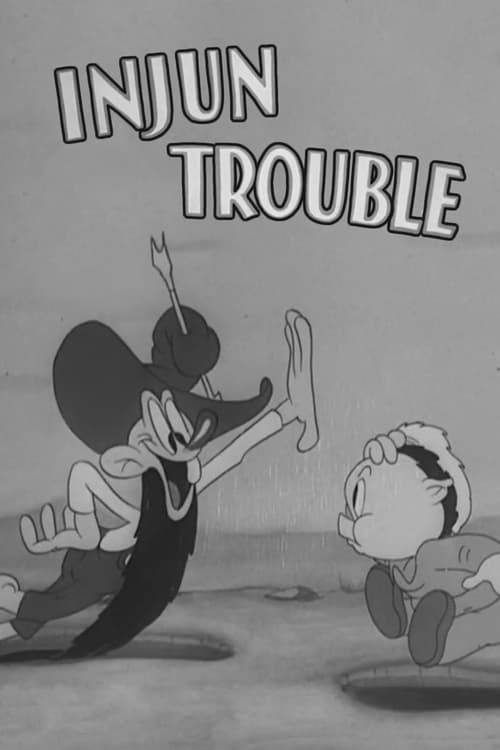
This 1938 animated short is a product of its era, functioning as a traditional comedic Western. The narrative relies heavily on established frontier clichés and reinforces existing social hierarchies. Instead of offering nuanced character studies, the film uses ethnic caricatures and racial stereotypes to drive its plot. The focus remains on the perspective of the wagon train, framed through the lens of Western expansionism. Overall, the film lacks complexity in representing diverse identities. It provides minimal representation of underrepresented groups, relying instead on the non-nuanced clichés common in early 20th-century American storytelling.
Category Breakdown
The film does not include any characters with non-binary gender identities. It follows the typical character types found in 1930s Western comedies.
The story centers around a male-dominated leadership structure within a wagon train. It emphasizes traditional masculine roles common to the time.
The film uses historical caricatures of Indigenous peoples, such as the 'Superchief' stereotype. It relies on racial clichés rather than providing detailed depictions.
The narrative operates within a traditional Western framework focusing on the perspective of settlers. It presents a conventional conflict between frontier travelers and territorial outsiders.
There is no evidence of characters with physical or neurodivergent disabilities in the film.
Present on Screen
Limited or Absent
Official Synopsis
Porky leads a wagon train into "Injun Joe Territory," and finally comes up against the fearsome Superchief. But Sloppy Moe, a survivor of a previous Injun Joe attack, knows something about him he won't tell... until the very end.
1945
1939
1936
1945
1948
1951
1938
1937
No reviews yet. Be the first to share your thoughts on this movie!
Use the rating form above to leave a star rating and optional review.