The 16th Man
2010
No user ratings available yet
Representation score: 5.5 out of 10
Representation Score
Good
1983
Director
Merata Mita
Runtime
112 minutes
Average Rating
No ratings yetNew Showbiz Analysis
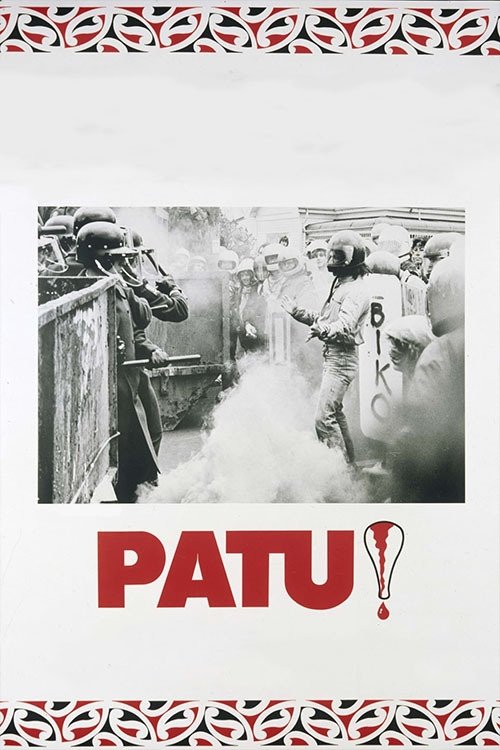
Patu! is a landmark documentary that centers Māori ability to act and the grassroots resistance against the 1981 Springbok Tour. It successfully deconstructs the colonial gaze by shifting the focus from state-sanctioned sports to the struggle for indigenous sovereignty. The film excels in racial and cultural representation, offering a sophisticated critique of Western institutional power and systemic racism. It moves beyond mere inclusion to provide a narrative reclamation of indigenous identity. While the film is powerful in its political and racial analysis, it lacks depth regarding LGBTQ+ identities and specific disability-driven narratives. The focus remains primarily on the physical and socio-political realities of the protest movement.
Category Breakdown
The documentary focuses on the collective political struggle and the socio-political implications of the Springbok Tour. While there are no explicit LGBTQ+ narratives, the film addresses the broader socio-political context of the movement.
The film highlights women as active participants in political organizing and community resilience. It challenges conventional hierarchies by showcasing their roles against state violence and patriarchal structures.
This is an exceptional example of indigenous-led storytelling that places Māori ability to act at the center. It critiques racial hierarchies and provides a profound deconstruction of the white settler norm.
The narrative prioritizes the survival of indigenous cultural structures over colonial-era social norms. It frames the resistance as a necessary response to institutional corruption and Western hegemony.
The film captures the physical trauma and vulnerability of the human body against state violence. However, it lacks character-driven narratives regarding neurodivergence or chronic disability.
Present on Screen
Limited or Absent
Official Synopsis
In 1981, the New Zealand government invited the South African rugby team to tour New Zealand. This effectively split the country in half. Patu! is the story of the protest movement, HART (halt all racist tours). This documentary shows footage of protester meetings, rugby games and various beatings meted out to protesters from police.
2010

2002

1968

2005
2000

2015
2011

2011
No reviews yet. Be the first to share your thoughts on this movie!
Use the rating form above to leave a star rating and optional review.