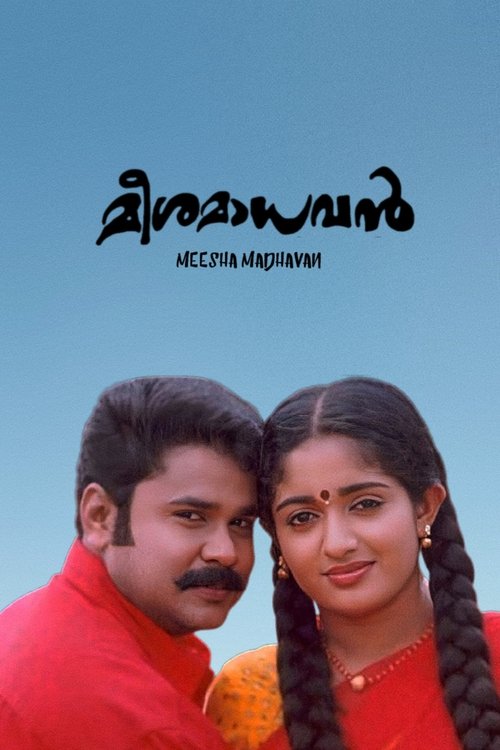
Meesa Madhavan
2002
No user ratings available yet
Representation score: 3.9 out of 10
Representation Score
Fair
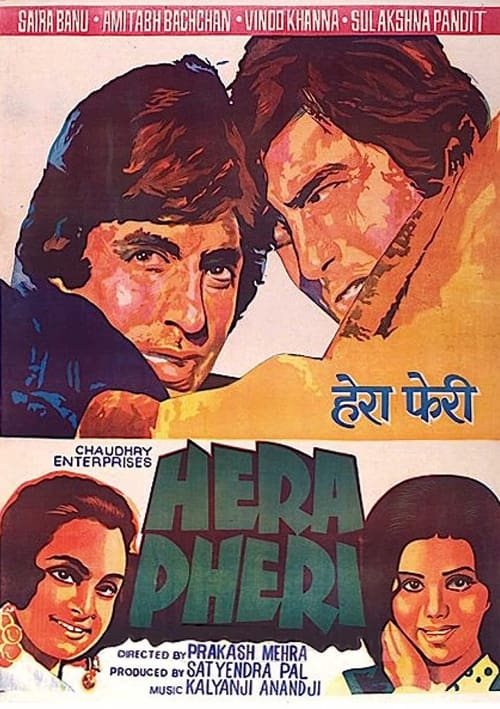
1976
Not RatedDirector
Prakash Mehra
Runtime
164 minutes
Average Rating
No ratings yetNew Showbiz Analysis
Hera Pheri (1976) is a quintessential product of its era, emphasizing traditional genre clichés and male-driven storytelling. The plot centers on the camaraderie and conflicts of two con men, reinforcing conventional masculine leadership. While the film offers a glimpse into the socioeconomic struggles of the time, it lacks complexity in representing multiple aspects of identity. It functions as a character-driven comedy that operates within established social hierarchies without challenging them. Ultimately, the film reflects the mainstream cinematic standards of mid-century India, focusing on class distinctions and survival within a rigid social framework.
Category Breakdown
The film follows the assumption that everyone is straight or cisgender, typical of 1970s Indian cinema. There is no evidence of diverse sexual orientations or same-sex relationships.
The story revolves around male characters, particularly the protagonists Vijay and Ajay. Women appear but mostly fulfill traditional roles without challenging the male-dominated hierarchy.
The cast showcases a unified Indian identity, focusing on internal socioeconomic differences rather than multi-ethnic diversity.
The film explores themes of survival and deception through comedic clichés. It operates within a standard moral framework of its era without offering a broader critique.
There is no significant evidence of characters with visible or invisible disabilities. The plot centers on the physical and psychological strategies of the main con artists.
Present on Screen
Limited or Absent
Official Synopsis
Two con men, Vijay and Ajay, manage to hoodwink a number of wealthy people as well as Police Commissioner Khanna. Their lives undergo many changes, after a caper at a casino, where Vijay is recognized by a gangster named P.K., who decides to separate the two friends by claiming that Ajay is his long-lost son; insinuating that Vijay has not been completely forthright with Ajay; and implicating him in the murder of a male named Mac. Written by rAjOo (gunwanti@hotmail.com)
2002
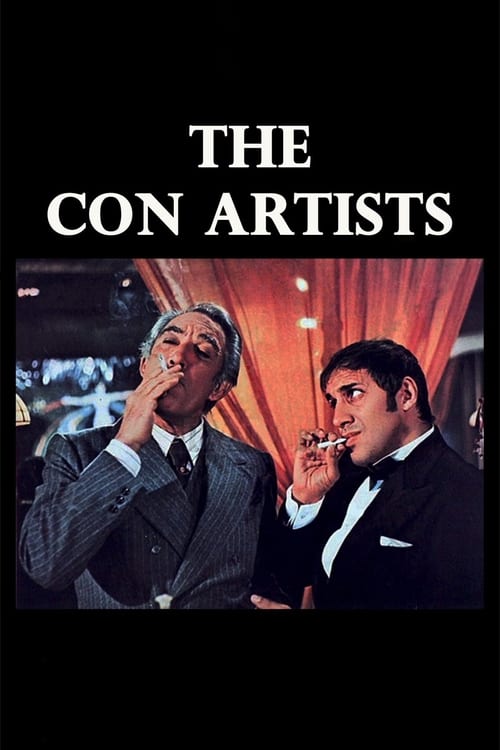
1976
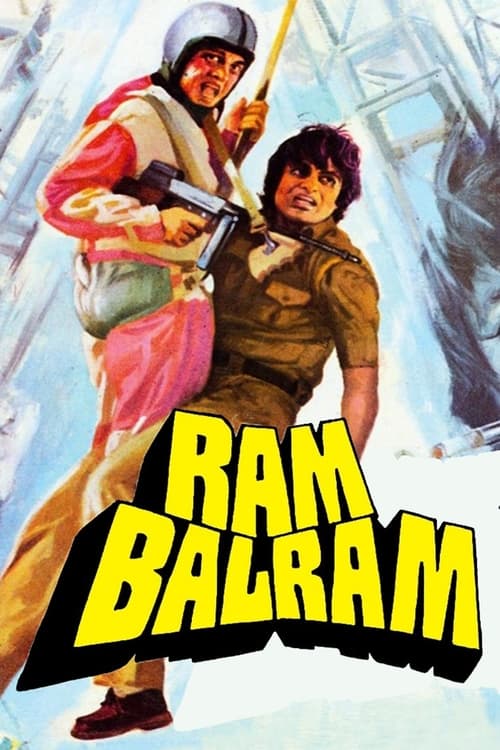
1980
1999
1994
1973

1980

1994
No reviews yet. Be the first to share your thoughts on this movie!
Use the rating form above to leave a star rating and optional review.