
Baby Dolls Behind Bars
2012
No user ratings available yet
Diversity score: 3.3 out of 10
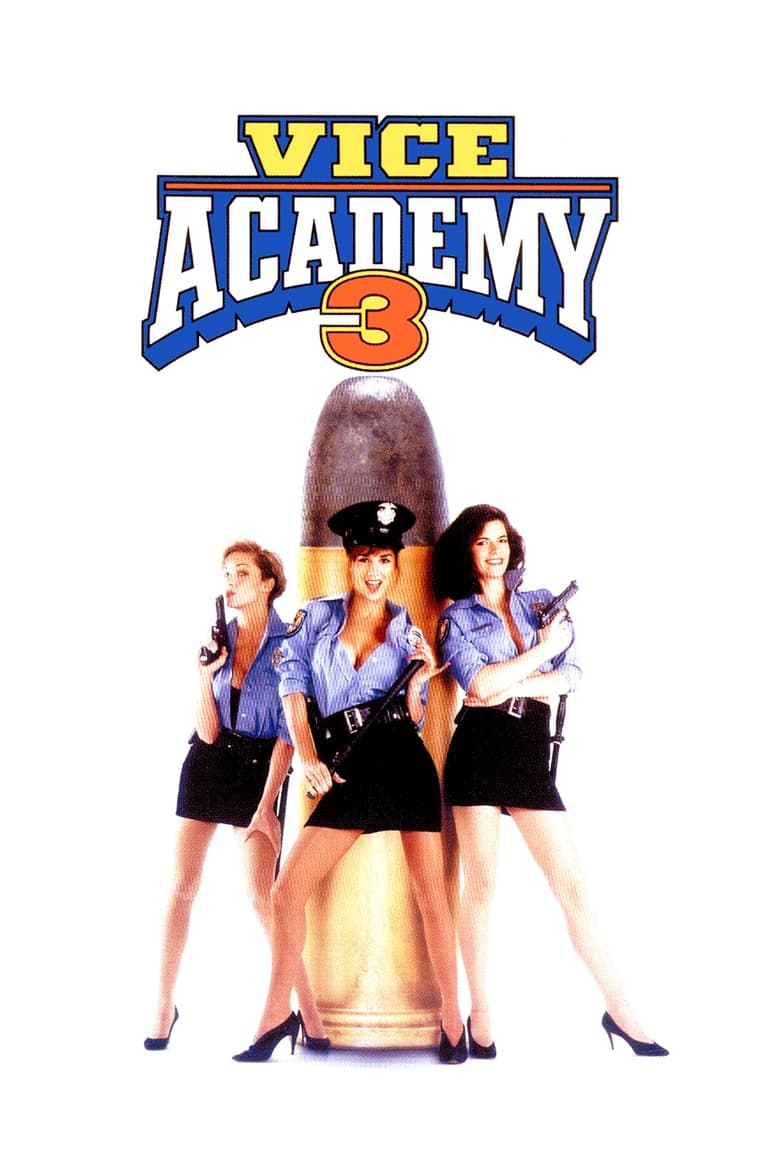
1991
RDirector
Rick Sloane
Runtime
88 minutes
Average Rating
No ratings yetSynopsis
Female inmates escape from prison and go on a series of robberies, and it's up to the incompetent vice squad rookies to stop them.
Overall Score
Limited
Category Breakdown
LGBTQ+ Representation
The film lacks LGBTQ+ characters or narratives. It adheres to the traditional heteronormative structures common in early 90s crime comedies.
Gender Representation
While the story centers on female inmates and rookies, the characters often function as comedic caricatures. This reliance on farce limits the depth of their agency.
Racial & Ethnic Diversity
The casting appears to reflect the homogeneous, Anglo-Saxon patterns typical of low-budget genre cinema from this era. There is no evidence of multicultural integration.
Religious & Cultural Diversity
The narrative follows a standard crime comedy framework. It reinforces traditional institutional roles rather than offering critiques of Western or secularist systems.
Disability Representation
There is no evidence of characters with visible or invisible disabilities within the cast or plot.
Strengths
Areas for Improvement
AI Analysis
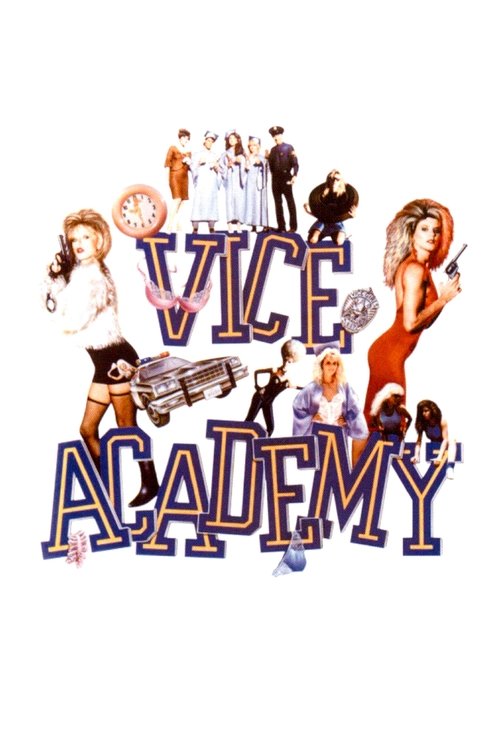
Vice Academy Part 3 is a low-budget genre piece that prioritizes slapstick crime elements over complex character studies. The film relies heavily on established tropes rather than attempting to subvert social hierarchies or provide nuanced representation of marginalized identities. The production lacks demographic breadth, focusing instead on a narrow, conventional cast. This results in a narrative that feels culturally and socially homogeneous, typical of the direct-to-video market of the early 1990s.
2012

1979

1991

2001

2010

1999
2001
1982
1996
1990

1998
1989
No reviews yet. Be the first to share your thoughts on this movie!
Use the rating form above to leave a star rating and optional review.