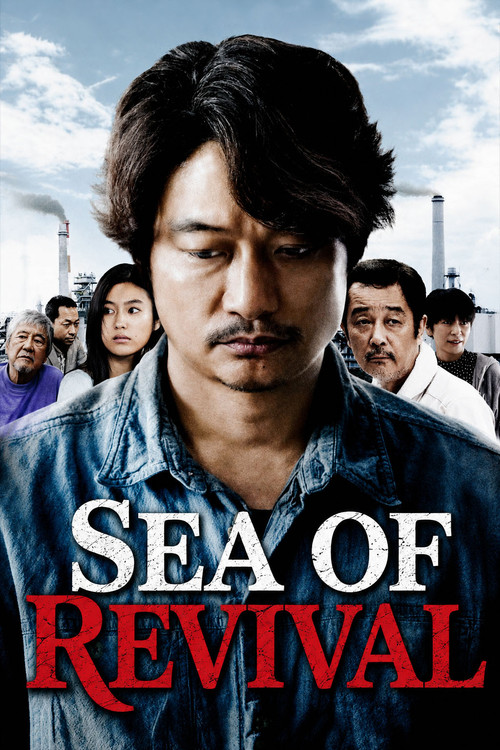
Sea of Revival
2019
No user ratings available yet
Representation score: 4.1 out of 10
Representation Score
Fair
2019
Director
Ryutaro Nakagawa
Runtime
96 minutes
Average Rating
No ratings yetNew Showbiz Analysis
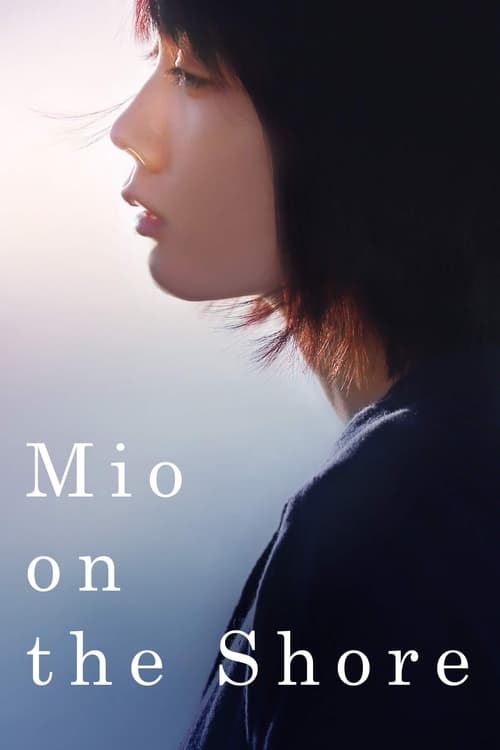
Mio on the Shore is a character-driven drama that challenges traditional gender roles. It emphasizes the strength needed to manage a household in difficult times. While the film lacks diverse representation regarding race and LGBTQ+ identities, it effectively uses the tension between tradition and modernity to critique systemic changes. The narrative structure explores the impact of modern expansion on traditional communal structures.
Category Breakdown
The film does not include any LGBTQ+ characters or explore non-straight relationships. The story focuses on familial and community bonds.
The story centers on the experiences of women within a domestic setting. By focusing on the protagonist and her grandmother, it challenges traditional male-dominated hierarchies.
The film features a homogeneous Japanese cast reflecting the historical period. This highlights the specific socio-cultural context of the time.
The narrative criticizes the impact of modern capitalism on traditional communities. It shows how urban development erodes historical stability.
Illness and grief serve as plot drivers rather than deep explorations of disability. Challenges are shown through survival rather than identity-based representation.
Present on Screen
Limited or Absent
Official Synopsis
Mio is 20 years old. Having lost her parents early, she and her grandmother run a traditional inn in Nagano. However, her grandmother gets sick. Mio moves to Tokyo and lives with her father’s best friend, Kyosuke. He runs a public bath. She begins to work at the public bath, but it is scheduled to be demolished to make way for redevelopment.
2019
2020

2019

2023
2019

2019

2015
2022
No reviews yet. Be the first to share your thoughts on this movie!
Use the rating form above to leave a star rating and optional review.