Day Zero
2007
No user ratings available yet
Diversity score: 4.5 out of 10
1972
PGDirector
Larry Peerce
Runtime
104 minutes
Average Rating
No ratings yetSynopsis
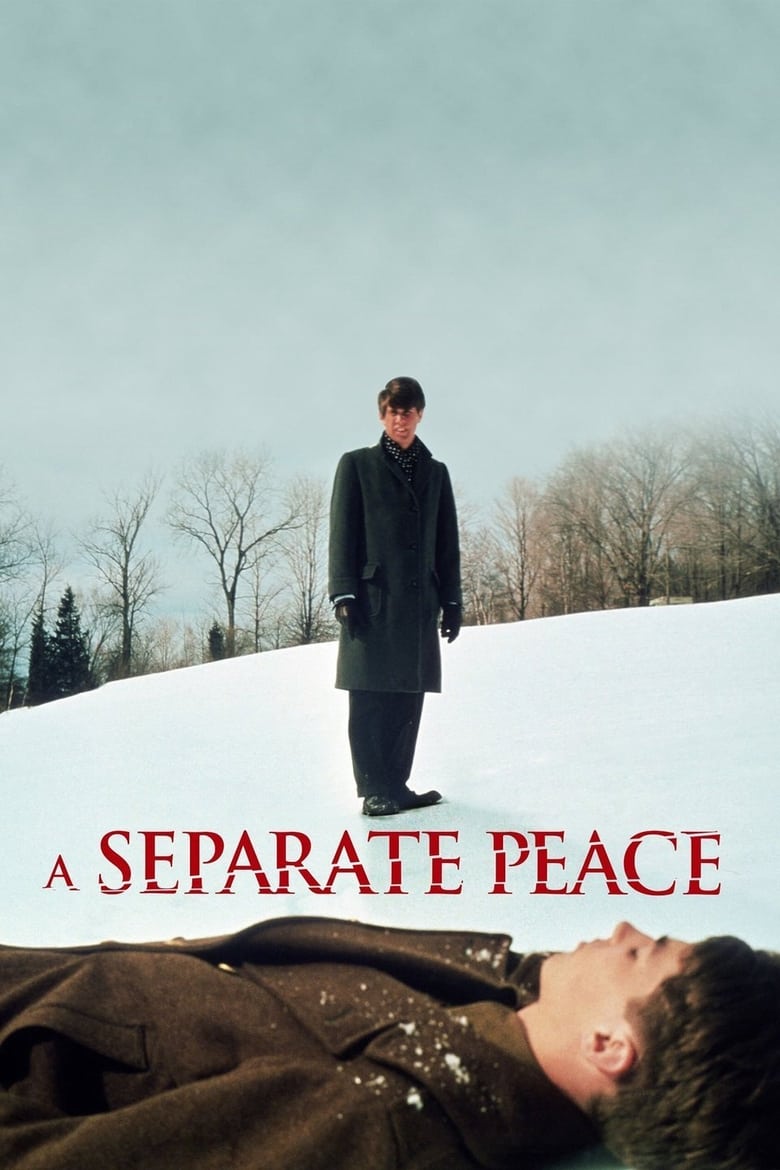
Gene and Finny are two boys who are best friends living in 1943, at the height of World War II. The idea that the boys will most likely be drafted when they turn eighteen is surrounding them, and they are practically forced to live their lives to the fullest. The two boys attend the Devon School, which prepares them for military life that they will most likely be subjected to. The film begins with a narration by an older Gene, traveling back to Devon some years later. The thing he wishes most to see is the tree, which had a great effect on the boys' lives
Overall Score
Fair
Category Breakdown
LGBTQ+ Representation
The film explores an intense, psychologically complex bond between two male protagonists. While it avoids explicit same-sex intimacy, the subtextual tension challenges conventional mid-century masculine detachment.
Gender Representation
Set in a male-centric environment, the story subverts traditional archetypes of masculine strength. It focuses on the deconstruction of the male ego rather than gendered conflict.
Racial & Ethnic Diversity
The cast is predominantly homogeneous, reflecting the socioeconomic context of a 1940s New England preparatory school. The setting depicts an enclave of white, high-socioeconomic privilege.
Religious & Cultural Diversity
The narrative critiques Western institutions by portraying the school as a mechanism for military mobilization. It treats individual transgressions with psychological nuance rather than moral condemnation.
Disability Representation
Physical disability is treated with significant narrative agency through Finny’s injury. The film avoids tropes, focusing instead on the psychological implications of disability in a competitive environment.
Strengths
Areas for Improvement
AI Analysis
A Separate Peace is a psychological study of the individual struggling against institutional momentum. It excels in its nuanced treatment of physical disability and its deconstruction of traditional masculine archetypes. However, the film lacks breadth in racial and LGBTQ+ visibility. The setting is a homogeneous, white, high-socioeconomic enclave that reflects the era's social constraints. Ultimately, the film's strength lies in its ability to challenge the stability of authority and the 'heroic' military-industrial preparation typical of its period.
2007

2004

1989
1985
1948

1987

1960
1969
1966

1987
1944
2015
No reviews yet. Be the first to share your thoughts on this movie!
Use the rating form above to leave a star rating and optional review.