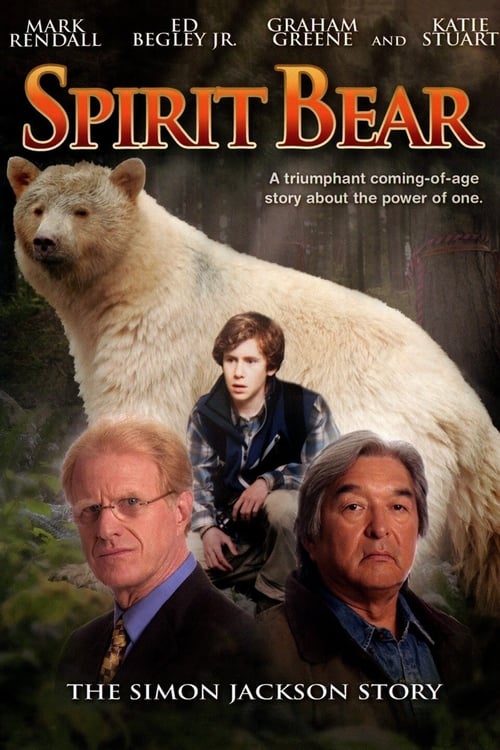
Spirit Bear: The Simon Jackson Story
2005
No user ratings available yet
Representation score: 3.7 out of 10
Representation Score
Minimal
1990
PGDirector
Mark Griffiths
Runtime
82 minutes
Average Rating
No ratings yetNew Showbiz Analysis
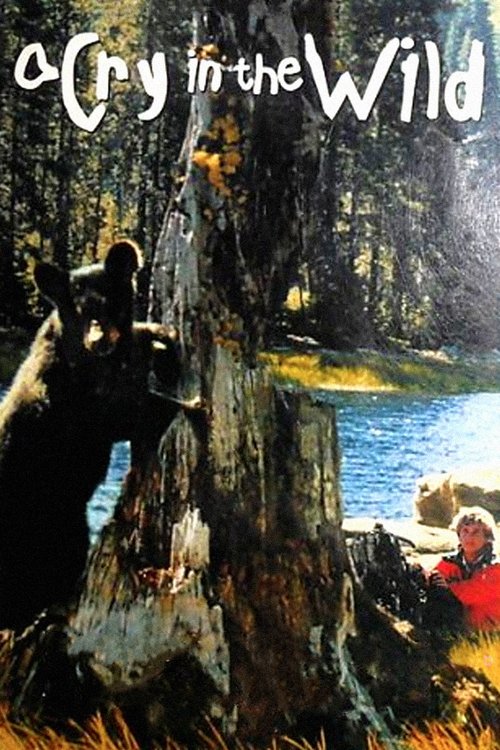
A Cry in the Wild is a typical survivalist drama that emphasizes individual ability to act and environmental mastery. The narrative structure revolves around man-versus-nature clichés, limiting the potential for complex social dynamics. Because the story centers on a lone protagonist in a remote wilderness, it lacks the ensemble cast needed for multi-layered representation. The film adheres to traditional Western storytelling patterns of resilience and self-sufficiency, resulting in a narrow scope that avoids addressing broader social hierarchies or diverse identities.
Category Breakdown
The film does not include any LGBTQ+ characters or stories about non-assuming gender matches what was assigned at birth identities. The plot focuses solely on the protagonist's physical survival.
The main character, a young male, holds the majority of the ability to act in the story. While the film avoids reinforcing gender hierarchies, it does not provide enough elements to challenge traditional gender roles.
The film features a homogeneous cast typical of 1990s television. There is no indication of a diverse ensemble or multi-ethnic cast.
The narrative emphasizes rugged individualism and self-reliance. It does not critique religious or institutional structures, focusing instead on biological and environmental challenges.
The film does not depict any characters dealing with physical, neurodivergent, or mental health disabilities. The protagonist’s struggles are situational rather than related to permanent disabilities.
Present on Screen
Limited or Absent
Official Synopsis
13-year-old Brian is the sole survivor of an unreported plane crash. Alone in the Yukon wilderness, Brian must learn to survive by his wits, find food and shelter, and brave wild, hungry animals until or if he is found.
2005
1971

1990

1996
1975
1993

2016
1988
No reviews yet. Be the first to share your thoughts on this movie!
Use the rating form above to leave a star rating and optional review.