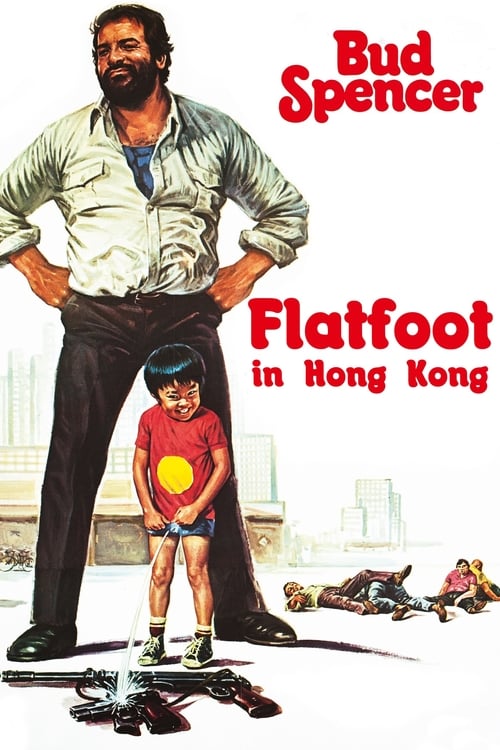
Flatfoot in Hong Kong
1975
No user ratings available yet
Diversity score: 3.5 out of 10
1962
Director
Steno
Runtime
90 minutes
Average Rating
No ratings yetSynopsis
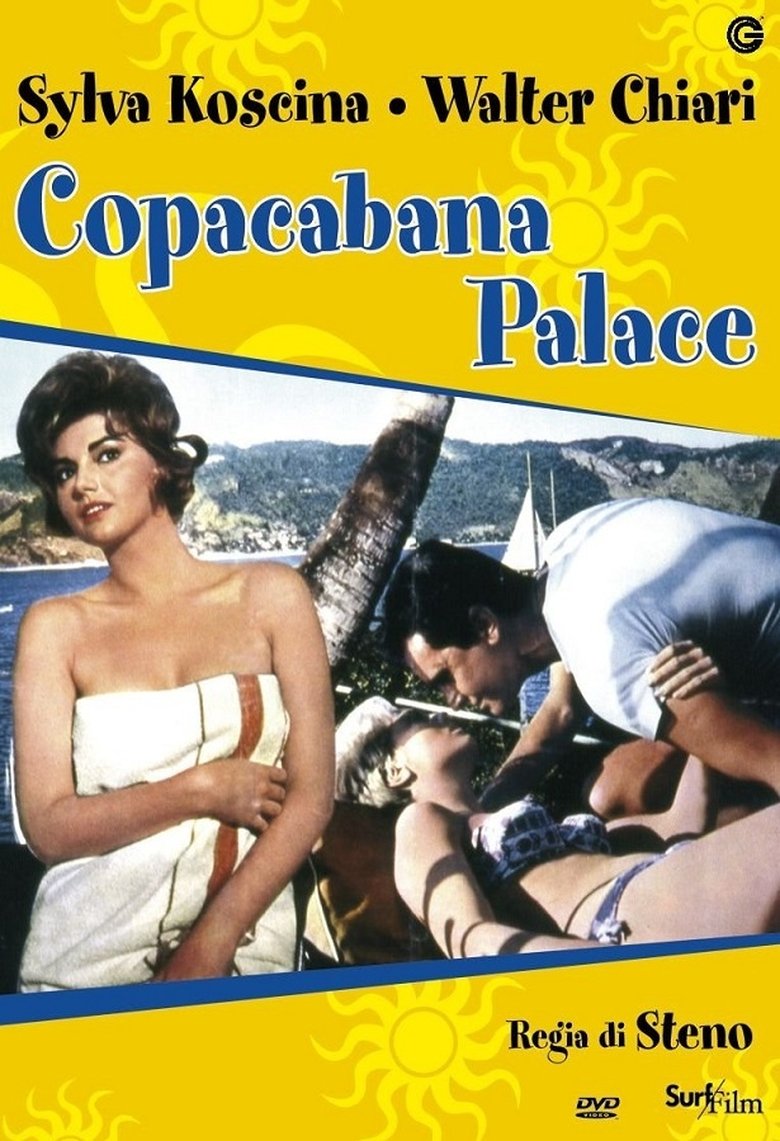
For three days at the Copacabana Palace in Rio de Janeiro, amorous cross-fertilizations are intertwined with petty tricks against the backdrop of the famous carnival festivities. Three (sympathetic) accomplices are beaten to a punch in the hotel vault; three charming stewardesses are looking for entertainment, but their three Carioca host, musicians Tom Jobim, Luiz Bonfá, and João Gilberto, are married; a man, separated from his wife, wants to catch her in the act of adultery.
Overall Score
Fair
Category Breakdown
LGBTQ+ Representation
The film adheres to early 1960s social conventions. Romantic entanglements focus on heteronormative pairings and established marriages, with no evidence of non-cisnormative identities.
Gender Representation
Female characters like the three stewardesses possess visibility and agency in seeking entertainment. However, they often function as objects of romantic pursuit or domestic tension within the plot.
Racial & Ethnic Diversity
The production avoids Western-centric casting by centering Carioca hosts and legendary Brazilian musicians. This provides authentic cultural depth and respects the local identity of Rio de Janeiro.
Religious & Cultural Diversity
The narrative celebrates Carnival and nightclub glamour rather than critiquing social institutions. It reinforces traditional social hierarchies through its focus on a glamorous, upper-middle-class milieu.
Disability Representation
The story focuses on romantic and musical themes. There is no discernible focus on characters with visible or invisible disabilities.
Strengths
Areas for Improvement
AI Analysis
Copacabana Palace is a product of its era, functioning as a traditional musical comedy. It succeeds in providing authentic cultural texture by integrating legendary Brazilian musicians like Tom Jobim and João Gilberto into the narrative. While the setting is culturally specific, the film maintains a conventional structure. It prioritizes established social norms and heteronormative romantic tropes, offering escapism rather than a critique of traditional hierarchies. The film's diversity is anchored in its local identity, yet it remains limited by the period's social constraints regarding gender and sexual orientation.
1975
1973

1980
1954
No reviews yet. Be the first to share your thoughts on this movie!
Use the rating form above to leave a star rating and optional review.