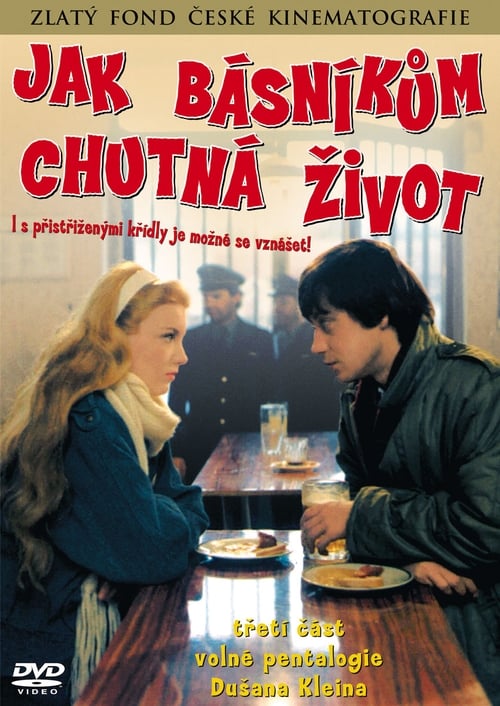
How Poets Are Enjoying Their Lives
1988
No user ratings available yet
Representation score: 2.5 out of 10

Representation Score
Fair
1989
Director
Dušan Klein
Runtime
109 minutes
Average Rating
No ratings yetNew Showbiz Analysis
Vážení přátelé, ano is a period-specific social comedy that examines individual influence within a rigid, bureaucratic framework. It primarily serves as a critique of institutional efficacy and the absurdity of professional hierarchies. While the film offers a subtle challenge to traditional masculinity through an incompetent male protagonist, it lacks complexity in representing diverse identities. The narrative reflects the demographic and social constraints of its era without attempting to disrupt them.
Category Breakdown
The film adheres to the assumption that everyone is straight or cisgender, with no evidence of queer narratives or non-cisgender identities. The story focuses solely on heterosexual relationships and traditional gender roles.
The story highlights the absurdity of male-dominated corporate hierarchies through an incompetent male protagonist. Female roles are mostly confined to traditional social or romantic contexts.
The cast reflects the demographic homogeneity of late-1980s Czechoslovakia. The narrative centers on a culturally specific and ethnically homogeneous social environment.
The film critiques institutional corruption and bureaucratic dysfunction through the protagonist's struggles. It disrupts the idea of meritocratic workplaces by highlighting systemic dysfunction.
No characters with visible or invisible disabilities serve as central narrative devices. The plot focuses on the psychological and social pressures of the professional class.
Present on Screen
Limited or Absent
Official Synopsis
During the change of functions in the Fortuna medical ceramics company, Bohouš Fisher, an independent clerk, became deputy director of the company against his will. As a result, he is forced to make even greater compromises than before. He takes part in unnecessary meetings for which he has to raise money from company funds because of his position, or he jocularly solves a "work" accident of two employees who were engaged in love games instead of work. It's not much better in his private life. He would like to do some meaningful work, like building a stove.
1988
1967
1993
1976

1989

1975

1982

1981
No reviews yet. Be the first to share your thoughts on this movie!
Use the rating form above to leave a star rating and optional review.