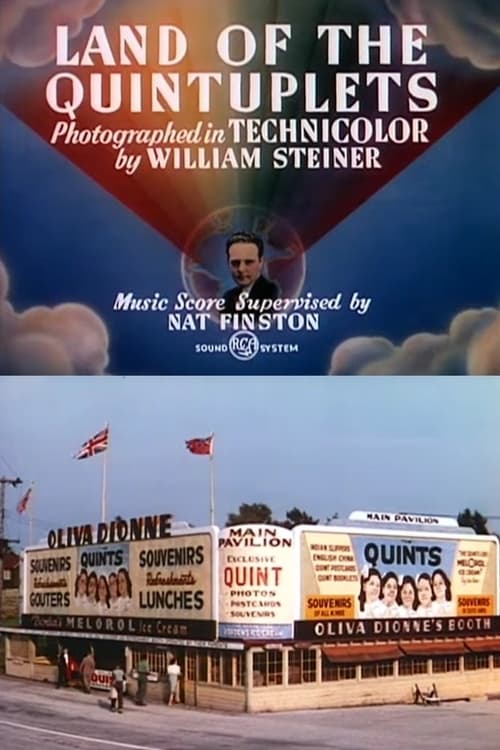
Land of the Quintuplets
1942
No user ratings available yet
Representation score: 2.5 out of 10
Representation Score
Fair
1963
Director
Joyce Chopra, Richard Leacock
Runtime
26 minutes
Average Rating
No ratings yetNew Showbiz Analysis
This documentary stands out by avoiding the idealized portrayal of family life common in the 1960s. Using a cinéma vérité style, the filmmakers capture the true exhaustion behind a media event. While the film lacks diversity in terms of race and LGBTQ+ identities, it offers a critical view of gender roles. It dismantles the expected performance of domestic bliss expected of women during this period. Overall, the film serves as a critique of how institutions use private human experiences for public spectacle and commercial gain.
Category Breakdown
The film does not include any LGBTQ+ characters or narratives related to non-straight relationships.
The documentary challenges the idea of the tireless housewife by showing the real-life exhaustion of Mrs. Fischer. It highlights the psychological impact of being a mother and breaks away from the idealized image of a perpetually energetic homemaker.
The story focuses on a specific white, Midwestern family in South Dakota. It does not show much racial or ethnic diversity, reflecting the demographics of the time.
The film examines how media and commercial interests turn family life into a commodity. It highlights the contrast between the public promotion of family life and the private realities of families.
The film touches on themes of physical vulnerability through the medical challenges of newborn survival. However, it does not specifically depict characters with neurodivergence or permanent disabilities.
Present on Screen
Limited or Absent
Official Synopsis
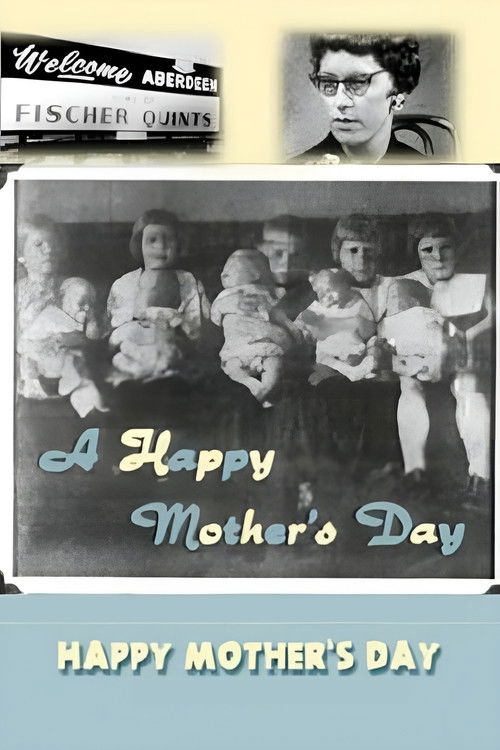
A cinéma vérité documentary observing the Fischer family of Aberdeen, South Dakota, following the 1963 birth of the first surviving American quintuplets. Filmed shortly after the event, the film contrasts civic promotion, media attention, and commercial interest with the private fatigue and quiet suffering of Mrs. Fischer, revealing the tensions between spectacle and family life.
1942

2010
1939

2015

2000

2018

1977

2003
No reviews yet. Be the first to share your thoughts on this movie!
Use the rating form above to leave a star rating and optional review.