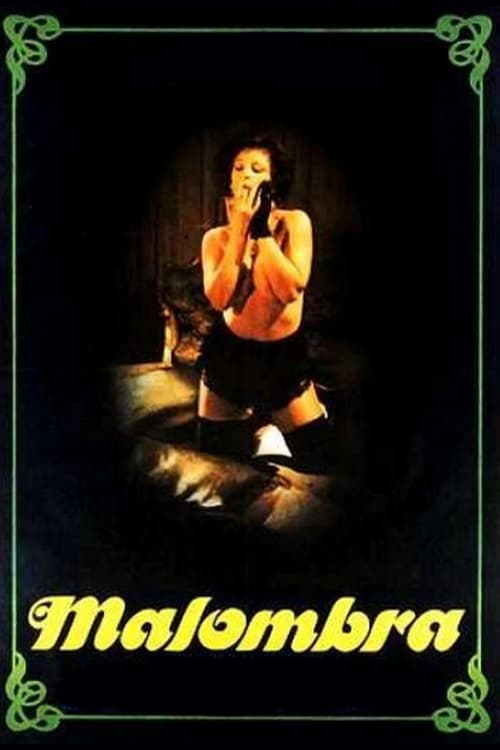
Malombra
1984
No user ratings available yet
Representation score: 5.8 out of 10
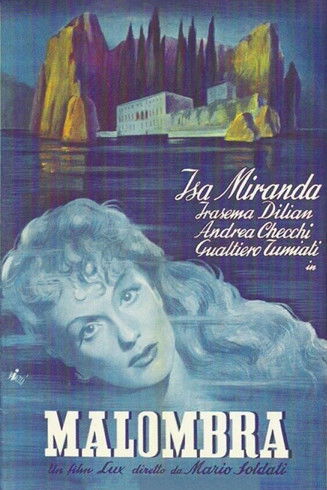
Representation Score
Minimal
1942
Director
Mario Soldati
Runtime
135 minutes
Average Rating
No ratings yetNew Showbiz Analysis
Malombra is a period piece that leans heavily into the established clichés of 19th-century Gothic melodrama. The narrative focuses on psychological suspense and romantic obsession within a narrow social context. Because the film adheres strictly to the historical and social hierarchies of its setting, it lacks complexity in representing diverse identities. Characters and themes serve the genre's requirements for suspense rather than exploring varied identities or subverting power dynamics. Ultimately, the production presents a culturally homogeneous world that prioritizes individual psychological drama over broader social representation.
Category Breakdown
The film does not include any LGBTQ+ characters or non-cisgender identities. Romantic tensions are confined to a traditional heterosexual storyline.
Gender roles follow classic Gothic storylines. The female lead is often defined by her psychological instability and serves as an object of male obsession rather than an independent character.
The cast is culturally uniform, reflecting the 19th-century Italian aristocracy. There is no representation of racial diversity or non-European backgrounds.
The narrative emphasizes European aristocratic values and the stability of the landed class. It focuses on personal psychological drama rather than broader societal critiques.
Mental instability is used as a plot device for Gothic horror to create an eerie atmosphere. The film does not provide a nuanced or progressive portrayal of mental health or neurodivergence.
Present on Screen
Limited or Absent
Official Synopsis
A nineteenth-century Italian noblewoman, imprisoned in a foreboding lakeside palazzo by her uncle, comes to believe she's possessed by a long ago mistress of the manor.
1984
1964

1917
1972
1964
1944
1952
1946
No reviews yet. Be the first to share your thoughts on this movie!
Use the rating form above to leave a star rating and optional review.