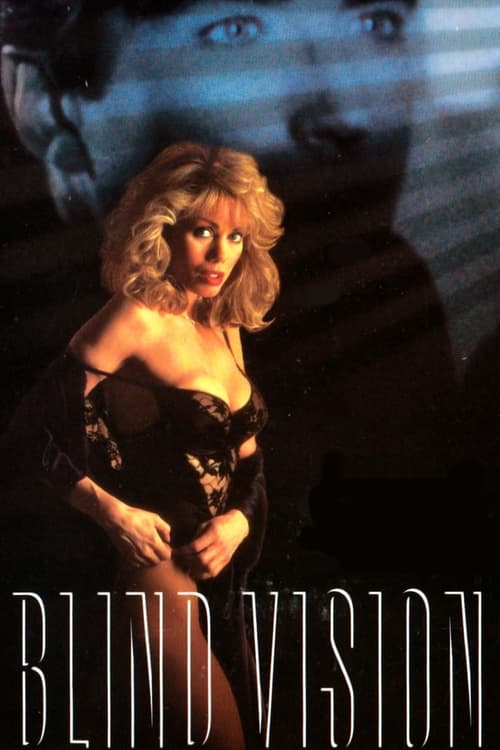
Blind Vision
1992
No user ratings available yet
Representation score: 4.2 out of 10

Representation Score
Good
1995
Director
José Luis Acosta
Runtime
95 minutes
Average Rating
No ratings yetNew Showbiz Analysis
Gimlet functions primarily as a character-driven psychological thriller. It succeeds in centering a female protagonist with professional ability to act and complex psychological depth. However, the film remains within traditional genre boundaries, relying on established masculine archetypes and a predominantly Western European demographic. While the depiction of a disabled official adds depth, the overall narrative lacks the systemic critique or diverse representation needed to challenge social hierarchies.
Category Breakdown
The film focuses on heterosexual relationships, such as Julia's relationship with Pablo and Antonio's attraction. There is no indication of non-straight identities or critiques of the assumption that everyone is straight or cisgender.
Julia serves as a strong female lead with professional influence as a business owner. Her psychological journey avoids the damsel-in-distress cliché, but the presence of virile male characters upholds traditional masculine dynamics.
Set in Barcelona, the film portrays a Mediterranean setting. The narrative suggests a predominantly Western European population without evidence of a diverse cast or race-bent casting.
The film emphasizes individual psychological instability rather than systemic or moralistic worldviews. It lacks clear evidence of anti-Western sentiments or specific cultural celebrations.
The Police Comisario provides nuanced representation as a character dealing with physical impairment while maintaining professional influence. This inclusion goes beyond a simple plot device.
Present on Screen
Limited or Absent
Official Synopsis
Julia runs a trendy bar in Barcelona. She treats men with caution, believing one can love too much and invite pain. She's been dating Pablo, one of her waiters. After his grisly murder (his heart is cut out), she receives anonymous messages and video tapes from a man who says he is in love with her. Another murder follows, the police give her 24-hour protection, and Pablo's replacement at the bar, the virile Antonio, seems to be attracted to her. As Julia's stalker closes in, she's on the verge of a nervous breakdown, then becomes almost serene. Leading the investigation is a police comisario who's eyes are covered as he awaits the completion of treatment. Will we see the murderer?
1992

1987
1989

2011

2002
1994

2019
1980
No reviews yet. Be the first to share your thoughts on this movie!
Use the rating form above to leave a star rating and optional review.