
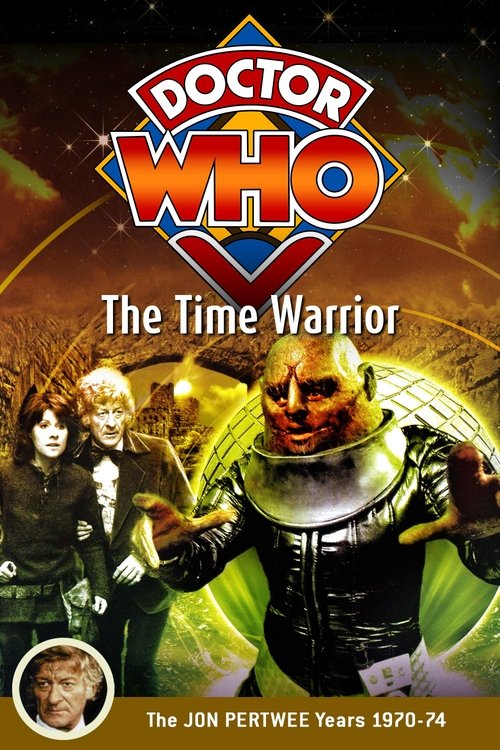
Doctor Who: Invasion of the Dinosaurs
1974
No user ratings available yet
Representation score: 4.3 out of 10
Representation Score
Fair
1963
TV-GDirector
Waris Hussein
Runtime
96 minutes
Average Rating
No ratings yetNew Showbiz Analysis
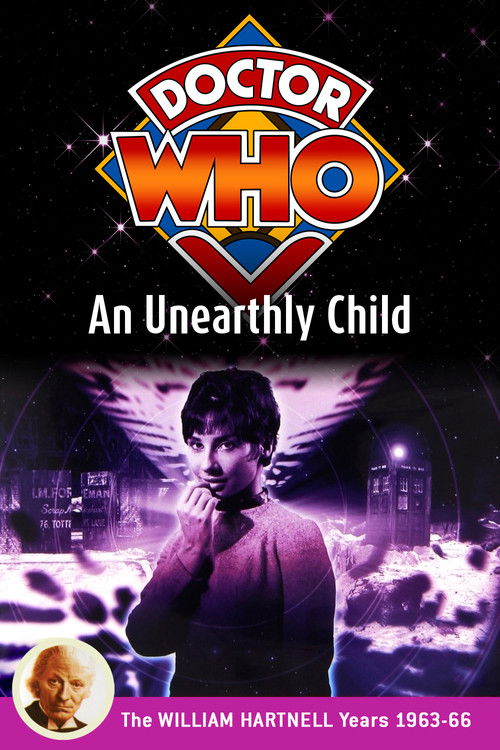
This foundational episode serves as a transitional text for science fiction. While it lacks modern multi-layered markers, it introduces the concept of the 'outsider' through characters who reject social contracts. The narrative subverts mid-century stability by centering a protagonist who operates outside institutional authority. This establishes a pattern of dismantling singular social realities. While the cast is demographically limited by its 1963 context, the themes of alienation and the subversion of the traditional family unit provide early layers of complexity.
Category Breakdown
The story does not include any LGBTQ+ characters or themes. Relationships between the main characters remain strictly professional and platonic.
Barbara Wright challenges the typical mid-century domestic roles by acting as an intellectual peer to Ian Chesterton. She plays a significant role in driving the investigation and maintains control over her actions.
The 1963 London setting features a homogeneous cast reflecting the era's demographics. The narrative focuses on class and temporal displacement rather than ethnic diversity.
The Doctor disrupts traditional Western social norms, while Susan represents the 'other,' challenging established societal frameworks.
No characters are depicted with visible or invisible disabilities. The character studies focus on intellectual curiosity and the psychological effects of time travel.
Present on Screen
Limited or Absent
Official Synopsis
Barbara Wright and Ian Chesterton, two humble teachers during 1963, discover a genius student's grandfather, simply known as "the Doctor", and his police box time machine. Deciding that the pair knows too much about his otherworldly origins, they are whisked away on a journey through time and space.
1974
1981
1974
1954

1965

2014
1965

1976
No reviews yet. Be the first to share your thoughts on this movie!
Use the rating form above to leave a star rating and optional review.