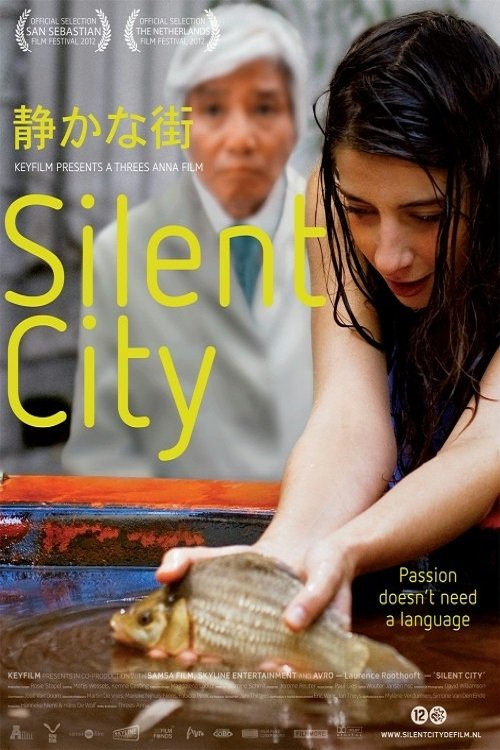
Silent City
2012
No user ratings available yet
Representation score: 3.6 out of 10
Representation Score
Excellent
2010
Director
Mai Tominaga
Runtime
118 minutes
Average Rating
No ratings yetNew Showbiz Analysis
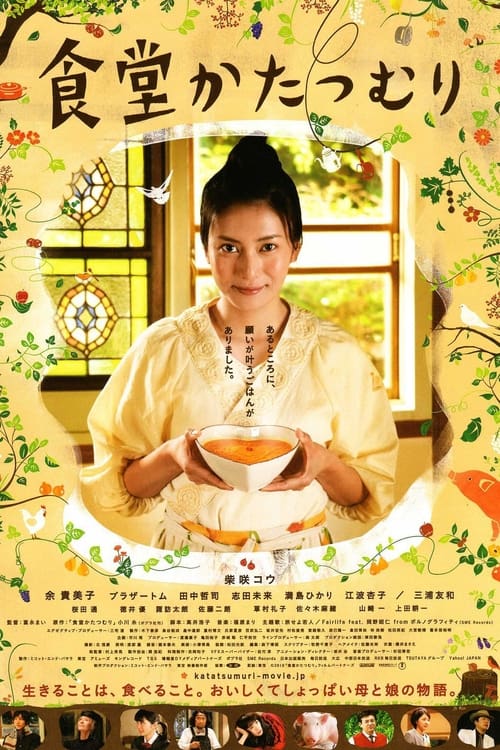
Rinco's Restaurant is a contemplative drama that challenges traditional social and economic norms. By focusing on a protagonist who rejects conventional capitalist structures and rigid maternal roles, the film highlights women's ability to drive the story and personal autonomy. While the film does not explicitly represent LGBTQ+ identities or diverse racial backgrounds, it offers a nuanced portrayal of psychosomatic disability. The protagonist’s loss of voice due to emotional trauma serves as a powerful narrative element. Ultimately, the film's impact lies in its quiet critique of conformity, emphasizing a slow, intentional existence that values individual healing over societal milestones.
Category Breakdown
The film does not explicitly depict same-sex relationships or non-binary gender identities. It focuses on a protagonist recovering from a heterosexual breakup, but it does offer a supportive environment for unconventional lifestyles.
The story centers around a strong female lead who challenges traditional gender roles. Her unique business model disrupts patriarchal norms, and her relationship with a free-spirited mother avoids strict, conservative stereotypes.
The film features a predominantly Japanese cast, reflecting cultural homogeneity. While it does not promote multi-layered diversity, it emphasizes emotional stakes rooted in local culture rather than Western-centric themes.
The film critiques consumerist capitalism through a unique restaurant concept. It prioritizes individual emotional needs and personal truth over standardized societal expectations.
The protagonist experiences a psychosomatic loss of voice due to emotional trauma. The film portrays this silence as a valid state of being rather than a condition to be quickly resolved.
Present on Screen
Limited or Absent
Official Synopsis
After a bad breakup, a young woman returns to her hometown and opens a menuless restaurant. A young woman in her mid 20's becomes so heart broken she loses her voice. To recover, the woman decides to go back to her hometown and stay with her free-spirited mother whom she has not been very close to in the past. The young woman then decides to open a restaurant which accepts only one customer a day, allowing for thoughtful preparation for that customer.
2012

2009
2022
2014

2021

2015

2025
2006
No reviews yet. Be the first to share your thoughts on this movie!
Use the rating form above to leave a star rating and optional review.