Tobacco Barns
2023
No user ratings available yet
Representation score: 6.5 out of 10
Representation Score
Excellent
2025
Director
Denise Fernandes
Runtime
96 minutes
Average Rating
No ratings yetNew Showbiz Analysis
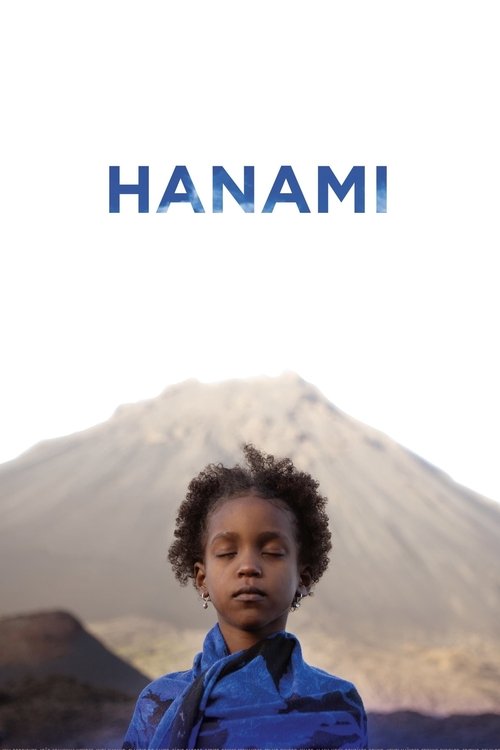
Hanami is a sophisticated coming-of-age drama that challenges Western-centric storytelling. By centering the Cape Verdean experience and a female-driven narrative, it moves beyond including someone from a minority group without giving them real depth to create a culturally specific reality. The film's strength lies in its layered exploration of geography, gender, and identity. Using the volcanic landscape and magical realism, it delves deeply into themes of exile and belonging. While the film excels in racial and cultural authenticity, it remains more subtle in its depiction of LGBTQ+ identities and disability, using them as thematic elements rather than explicit character studies.
Category Breakdown
The film highlights the bond between Nana and Nia, exploring themes of exile and unconventional domesticity. However, it does not explicitly confirm any specific LGBTQ+ character arcs.
The story centers on women's ability to drive the story and maternal experiences, disrupting traditional patriarchal hierarchies through the strong connection between Nana and Nia.
The film offers exceptional representation by focusing on a Cape Verdean setting and a predominantly non-Anglo-Saxon cast. It explores the unique culture of a volcanic island community.
The story incorporates indigenous beliefs through magical realism, emphasizing spiritual and subjective perspectives over rigid Western rationalism. Themes of longing and belonging are central.
Illness plays a central role in the narrative, serving as a catalyst through Nia’s condition and Nana’s fevers. The magical realist framework suggests a nuanced portrayal of bodily vulnerability.
Present on Screen
Limited or Absent
Official Synopsis
On a remote volcanic island that everybody wants to leave, little Nana learns to stay. Her mother, Nia, went into exile right after she was born and Nana grows up in the family of her father. One day, the family learns that Nia is ill. Nana begins to develop high fevers and is sent to the foot of a volcano for treatment. There she encounters a world steeped in magical realism, between dreams and reality. Later, when Nana is a teenager, her mother Nia finally returns to the island.
2023
2022
2021
2024
1997

2017
2020
2012
No reviews yet. Be the first to share your thoughts on this movie!
Use the rating form above to leave a star rating and optional review.