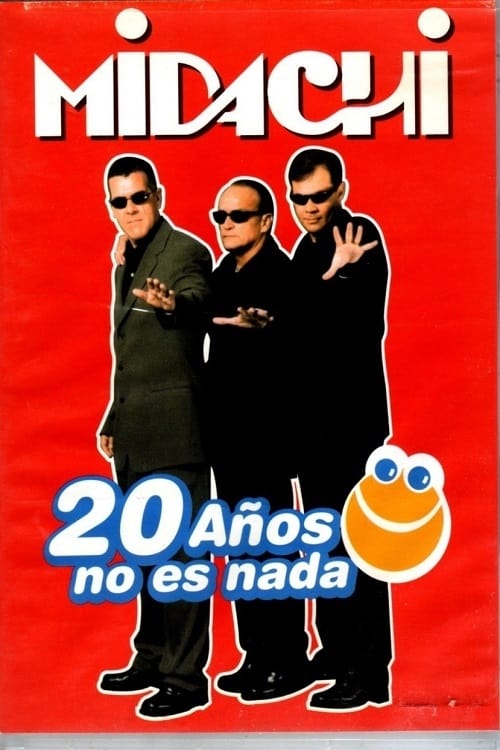
Midachi - 20 Años No Es Nada
2003
No user ratings available yet
Representation score: 0.0 out of 10
Representation Score
Fair
2000
Director
Karra Elejalde, Fernando Guillén Cuervo
Runtime
117 minutes
Average Rating
No ratings yetNew Showbiz Analysis
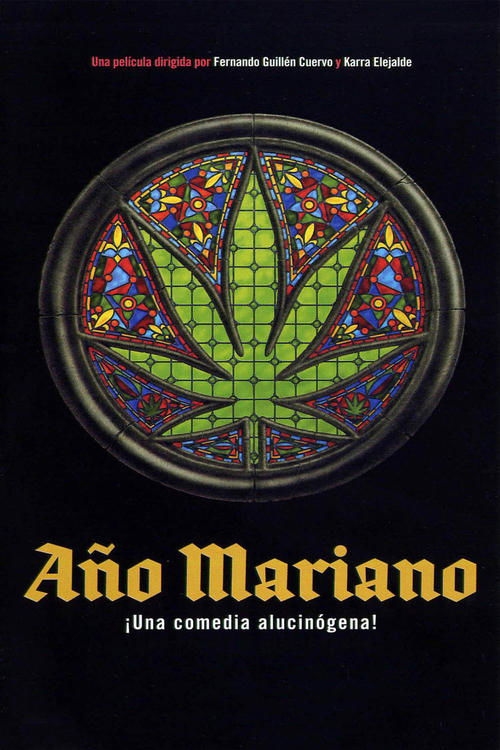
The film prioritizes satirical critique of institutions over demographic inclusivity. While it lacks representation for LGBTQ+, racial, and gender-diverse identities, it offers a sharp, sophisticated critique of religious and social norms. Its strength lies in its cultural subversion, using humor to challenge perceived authorities. However, this comes at the expense of traditional diversity, as the cast and setting remain largely homogeneous.
Category Breakdown
The film follows a traditional framework that assumes everyone is straight or cisgender. There are no significant LGBTQ+ character arcs or non-cisgender identities present.
Female characters such as Sister Trini and Maria Vélez play crucial roles in advancing the plot. However, their influence is often tied to exploiting a male prophet, keeping the central power dynamics focused on men.
The setting reflects a relatively homogeneous demographic typical of rural Spanish life. The narrative does not actively seek to diversify the ethnic landscape or include non-white representation.
The film excels at critiquing religious institutions through satire. It questions the sanctity of Catholicism by depicting a religious vision as a result of marijuana use and radio influence.
Mariano’s altered consciousness and erratic behavior serve primarily as comedic devices. These conditions drive the plot's absurdity rather than providing a nuanced look at neurodivergence or disability.
Present on Screen
Limited or Absent
Official Synopsis
Dramatic episodes are interlaced with scenes that are probably intended to claim comedic intent in this Spanish-made farce that is handicapped by a small budget and tight shooting schedule, serious obstacles to be sure that face veteran actors Karra Elejalde and Fernando Guillén Cuervo, who also serve here as co-directors as well as sharing the lead roles and contributing to the script. The film has been a popular success in Spain, while finding little favour outside that nation. Reasons for this general lack of approval are several, including a less than cogent point of view being provided by the directors, and dialogue that too often becomes merely an assault upon viewer sensibilities. Although the plot line clearly furnishes potential for constructing elements of irony, erratic character development in conjunction with awkward editing results in a good deal of cartoonish burlesque marked by wearisome exaggeration. Shortly after action begins, intoxicated travelling salesman Mariano (Elejalde) loses control of his automobile while upon a rural road and drives into a field that is part of a clandestine marijuana plantation. While a drunken Mariano decides to stay put and sleep it off, a squad of local Guardia Civil sets the illicit plants afire and he, obviously under the influence of the burning weed, fancies that he has seen the Virgin Mary, apparently because he had been listening to a call-in radio programme hosted by a "Maria" Vélez (Silvia Bel) before he veered into the crop. While recovering in hospital, Mariano gibbers about his religious vision, attracting the interest of evangelical nun "Sister Trini" (Gloria Muñoz) who, along with her votaries and a confidence man, Enrique Torres, or "Tony Towers" (Guillén Cuervo), salute Mariano as a prophet, combining their energies to build a holy shrine at the seared site of his near immolation, therewith raising large sums of cash, at the same time developing a fresh persona for the former salesman whom they prevail upon (against his better judgement) to accept this new sacred status. The film is overlong, with a surfeit of harrowing scenes featuring Elejalde that, through inordinate usage of the most oafish forms of profanity, are apparently designed to be some type of comedic comment upon Roman Catholicism and other Spanish institutions. These are unsuccessful in their attempts, as the spiritual exploits of Mariano, Tony and the others seem only able to claim success with the simplest of provincials. Additionally, there is dialogue filled with punning wordplay that is virtually untranslatable into a non-Spanish tongue, with a result that English only speakers will do a good deal of head scratching at the subtitles. Released upon a Venevision DVD with special material including Spanish language only interviews with the two principals. Both audio and visual quality are estimable.
2003

2020

2020

2001

2020
2003
1982
2020
No reviews yet. Be the first to share your thoughts on this movie!
Use the rating form above to leave a star rating and optional review.