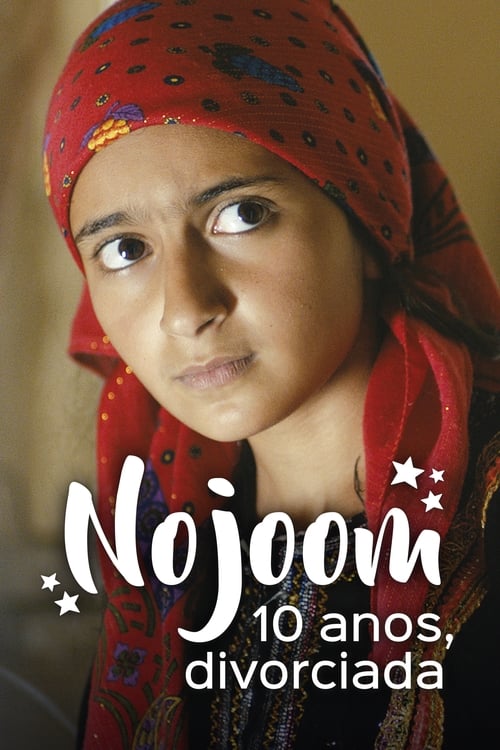
I Am Nojoom, Age 10 and Divorced
2014
No user ratings available yet
Representation score: 4.9 out of 10

Representation Score
Good
1986
Director
Ali Zhekan
Runtime
108 minutes
Average Rating
No ratings yetNew Showbiz Analysis
The Mare is a compelling work of social realism that uses the struggles of a single mother to critique systemic patriarchal structures. It transforms a story of economic hardship into a powerful narrative of female defiance. The film's strength lies in its refusal to romanticize rural poverty. It highlights the violence inherent in traditional hierarchies, particularly through the lens of gendered oppression and child exploitation. While the film lacks LGBTQ+ or disability representation, its deep dive into Iranian cultural nuances and its subversion of gendered passivity offer a sophisticated social critique.
Category Breakdown
The film does not explicitly depict LGBTQ+ identities. It focuses on traditional familial and marital obligations within a rural Iranian setting.
The film challenges submissive stereotypes by highlighting a woman's significant role. Susan Taslimi's character evolves from a survivalist into a protective force against patriarchal oppression.
The film provides an authentic look into Iranian rural life. Although the cast is ethnically uniform, it avoids a Western perspective by focusing on its own social structures.
The story questions traditional institutions by portraying child marriage as a moral crisis. It depicts the family unit as a place of coercion rather than stability.
There are no visible or mentioned depictions of physical or neurodivergent disabilities in this work.
Present on Screen
Limited or Absent
Official Synopsis
Noted Iranian actress Susan Taslimi plays an impoverished single mother who agees to marry off her 13-year-old daughter to a middle-aged man in return for a mare, which will help her earn an income and provide for her younger children. Director Ali Zhekan paints a stark picture of poverty and patriarchy in rural Iran (the mother stores her rice in a container hidden in a tree; her brother, who brokered the wedding, mercilessly beats the recalcitrant child), but this 1986 film is distinguished mostly by Taslimi's increasingly fiery performance as the mother decides to defend her daughter's freedom.
2014
2000
2004
2016
2020
2009
2017
2020
No reviews yet. Be the first to share your thoughts on this movie!
Use the rating form above to leave a star rating and optional review.