
Hitler's Evil Science
2019
No user ratings available yet
Diversity score: 6.0 out of 10
2020
Director
Cédric Tourbe
Runtime
98 minutes
Average Rating
No ratings yetSynopsis
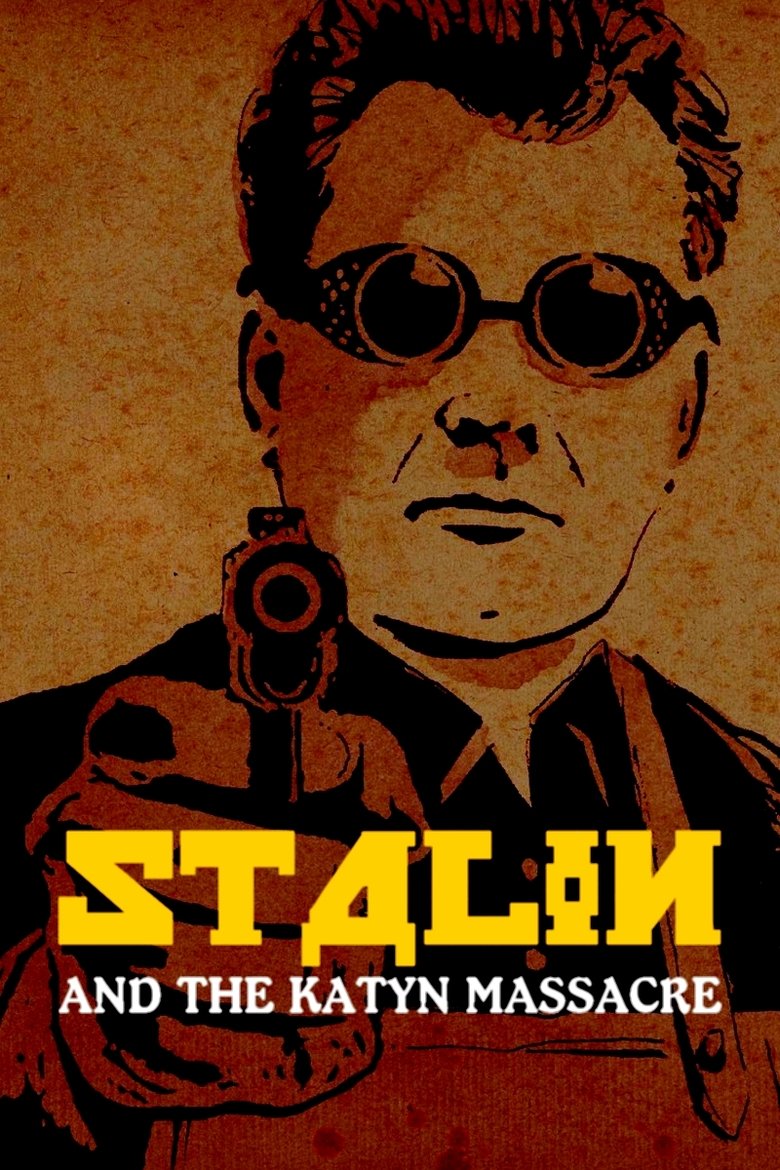
The Katyn massacre, carried out by the Soviet NKVD in 1940, was only one of many unspeakable crimes committed by Stalin's ruthless executioners over three decades. The mass murder of thousands of Polish officers was part of a relentless purge, the secrets and details of which have only recently been partially revealed.
Overall Score
Fair
Category Breakdown
LGBTQ+ Representation
The documentary lacks any evidence of LGBTQ+ character arcs or non-cisnormative identities. The historical focus remains strictly on military and political massacre contexts.
Gender Representation
The narrative centers on the mass murder of Polish officers, a demographic that was almost exclusively male in 1940. Consequently, the film lacks gender-diverse agency.
Racial & Ethnic Diversity
The film highlights the specific ethnic victimization of the Polish officer corps. This disrupts Eurocentric or 'Great Power' narratives by prioritizing a specific ethnic group's struggle.
Religious & Cultural Diversity
The documentary critiques traditional Soviet and Western institutional power. It favors a lens of historical justice over the glorification of nationalist or authoritarian institutions.
Disability Representation
There is no specific evidence regarding the portrayal of neurodivergence or physical disabilities. The subject matter does not address these themes.
Strengths
Areas for Improvement
AI Analysis
This documentary functions as a specialized historical inquiry into state-sponsored violence. It achieves progressive value not through contemporary cast diversity, but through a systemic critique of institutional authority. The film disrupts conventional historical hierarchies by centering the victims of the NKVD rather than the perpetrators. By focusing on the Polish officer corps, it challenges monolithic portrayals of mid-20th-century political power. While the historical subject matter limits gender and LGBTQ+ representation, the work succeeds in deconstructing the narratives of dominant imperial forces through the lens of the oppressed.
2019

2006

1983
2019
No reviews yet. Be the first to share your thoughts on this movie!
Use the rating form above to leave a star rating and optional review.