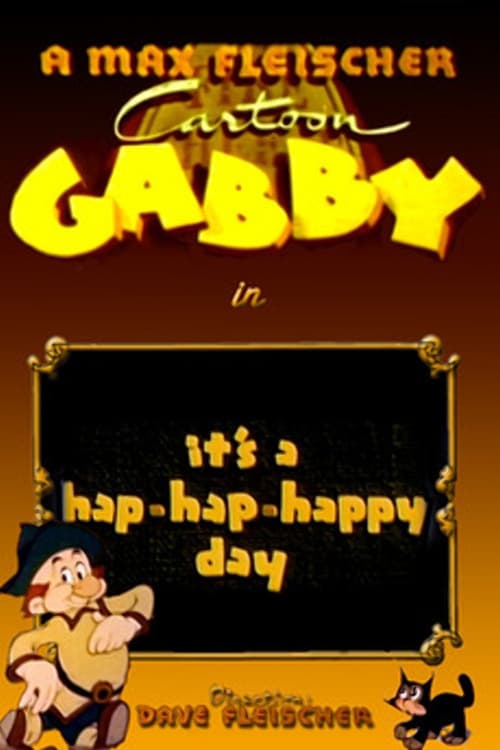
It's a Hap-Hap-Happy Day
1941
No user ratings available yet
Representation score: 0.4 out of 10
Representation Score
Minimal
1941
Not RatedDirector
Walter Lantz
Runtime
7 minutes
Average Rating
No ratings yetNew Showbiz Analysis
This 1941 animation reflects the attitudes of its time, relying heavily on racial and gender caricatures. The narrative uses 'Lazy Town' to reinforce historical stereotypes of Black communities as lazy. The film shifts from a perception of stagnation to a performance of labor and consumption, using specific food items and rhythmic patterns to categorize a demographic through a narrow historical lens. Characters lack control over their own stories, serving mainly as objects of spectacle. Overall, the film reinforces historical biases and social hierarchies without challenging them, exemplifying the stereotyping prevalent in mid-20th-century animation.
Category Breakdown
The film contains no evidence of queer identities or non-straight-centered narratives. It focuses entirely on traditional, caricatured gender and racial archetypes.
The film portrays the female lead as a hyper-sexualized character who primarily serves as a catalyst for action rather than a fully developed individual with her own goals and motivations.
The film relies on harmful historical stereotypes. The depiction of 'Lazy Town' and references to watermelon perpetuate outdated and offensive portrayals of African American communities.
The narrative simplifies cultural elements and reinforces regressive social hierarchies without providing meaningful insights or moral complexity.
There is no information available regarding the portrayal of disability in this work.
Present on Screen
Limited or Absent
Official Synopsis
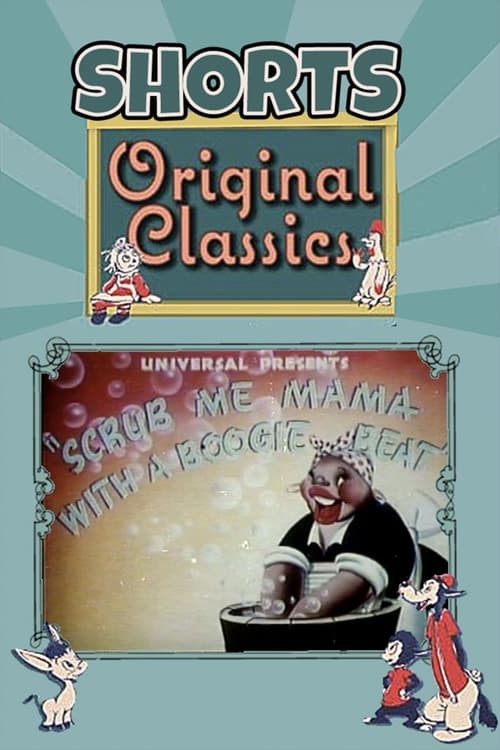
Lazy black folks in Lazy Town (Pop. 123½) are napping and attracting flies. They are so lethargic they even fight in slow motion. Then a riverboat arrives with a red hot mama on board. Faster than you can say "Jim Crow", she has everyone moving to a Harlem boogie beat, dancing, scrubbing clothes, and eating watermelon. As the boogie-woogie comes to a close, Mammy hoists her skirt. Her big bottom reads "The End".
1941
1960
1937
1934
1935
1936
1933

1934
No reviews yet. Be the first to share your thoughts on this movie!
Use the rating form above to leave a star rating and optional review.