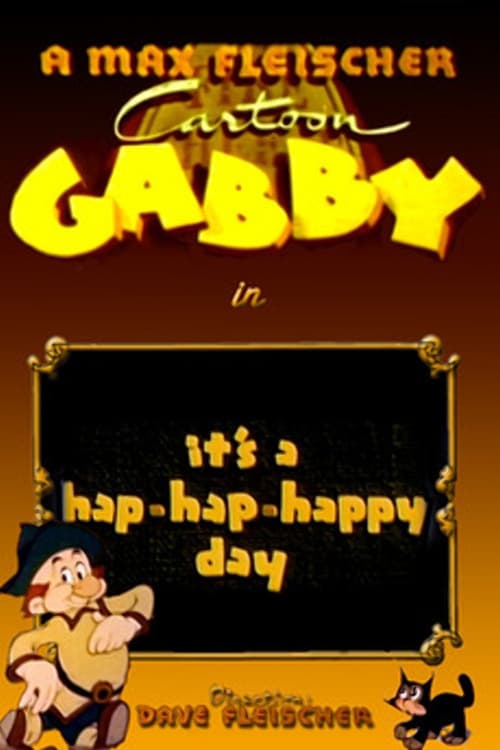
It's a Hap-Hap-Happy Day
1941
No user ratings available yet
Representation score: 0.4 out of 10
Representation Score
Minimal
1934
ApprovedDirector
Friz Freleng
Runtime
7 minutes
Average Rating
No ratings yetNew Showbiz Analysis
Produced in 1934, this animation is a product of the traditional studio system. It emphasizes whimsical, magical storytelling over modern multi-layered narratives or systemic critiques. The film relies on established clichés of the era, such as the vulnerable child and the benevolent magical intervention. These elements prioritize charm over challenging social hierarchies. Consequently, the work lacks the intentionality needed to engage with contemporary standards of diversity, reflecting the limited representation typical of early American animation.
Category Breakdown
The film does not include any LGBTQ+ characters or non-cisgender identities. It follows the traditional character types from the 1930s.
The story focuses on a poor, vulnerable girl, which aligns with a traditional framework where female characters often play supporting or dependent roles.
There is no indication of a diverse cast or non-Anglo-Saxon characters. The film reflects the homogeneous depictions common in 1934 animation.
The narrative explores socioeconomic disparity through a whimsical lens. While it addresses poverty, it uses magical intervention rather than critiquing systemic class structures.
The film does not feature any characters with visible or invisible disabilities.
Present on Screen
Limited or Absent
Official Synopsis
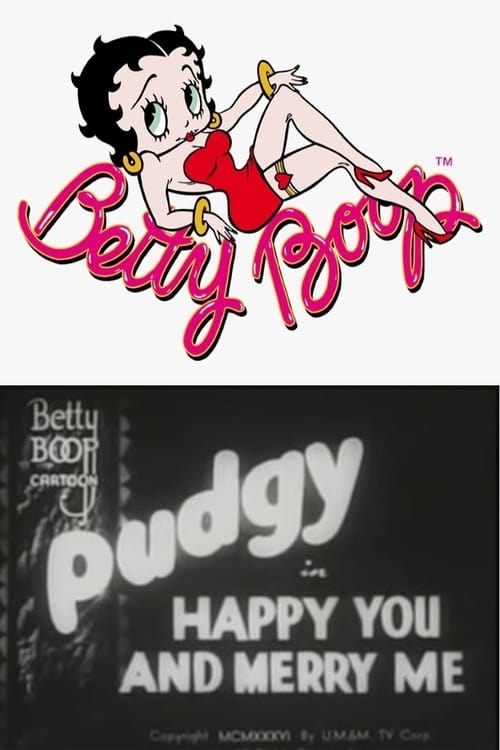
Toys in a shop window come to life and visit a poverty-stricken little girl as she sleeps. She awakens to find that her shack has been refurbished and that the toys are about to throw her a party.
1941
1934
1936
1936
1936
1939
1934
1936
No reviews yet. Be the first to share your thoughts on this movie!
Use the rating form above to leave a star rating and optional review.