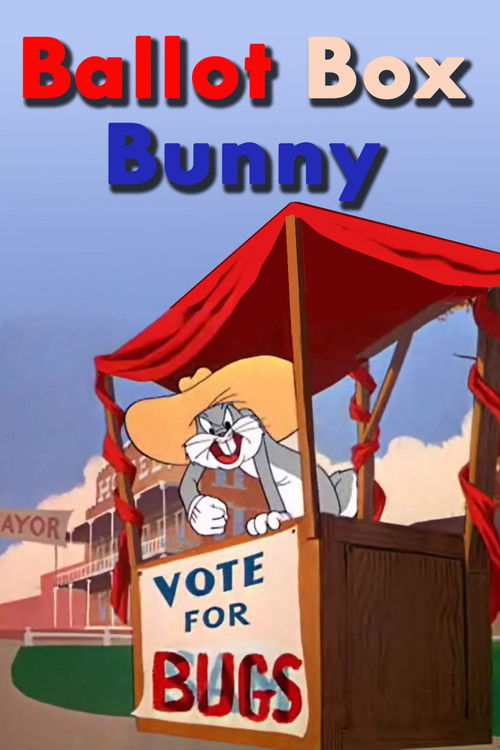
Ballot Box Bunny
1951
No user ratings available yet
Diversity score: 1.8 out of 10
1960
ApprovedDirector
Alex Lovy
Runtime
6 minutes
Average Rating
No ratings yetSynopsis
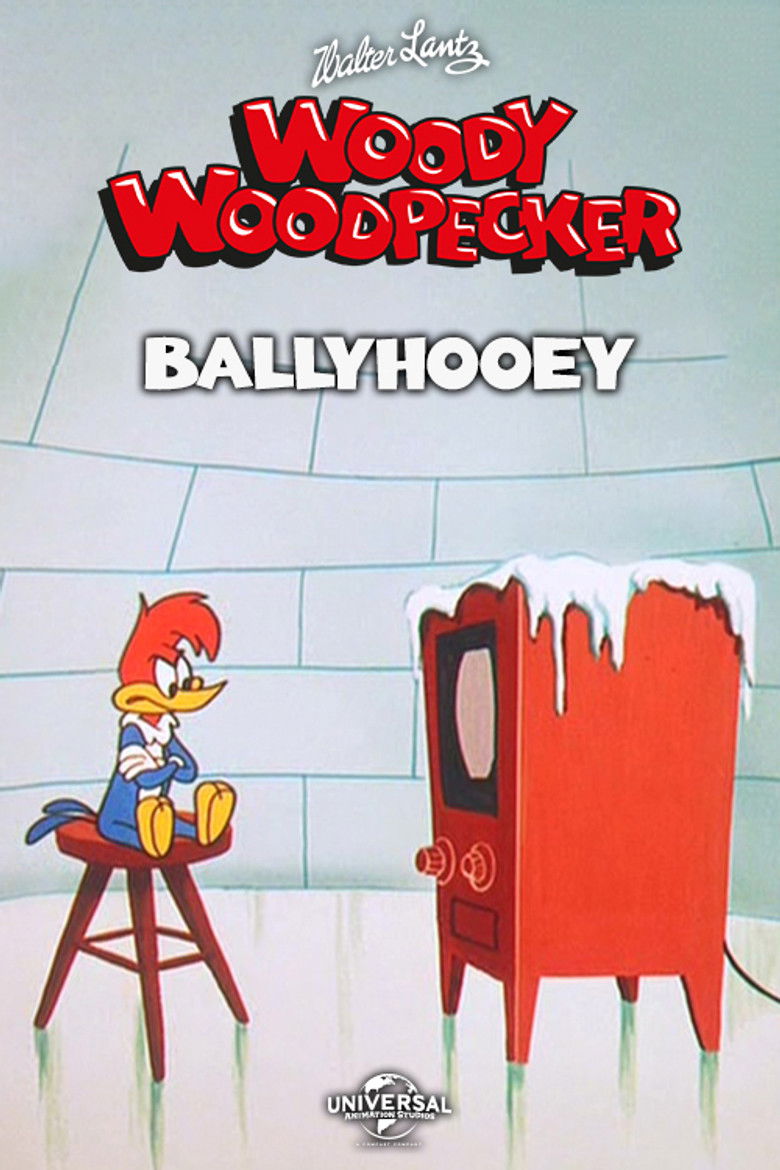
Woody Woodpecker tries to watch his favorite TV quiz show - which is constantly interrupted by commercials.
Overall Score
Minimal
Category Breakdown
LGBTQ+ Representation
The narrative centers on a singular anthropomorphic protagonist and a media-based conflict. There is no evidence of non-cisnormative identities or critiques of heteronormativity.
Gender Representation
The film utilizes traditional slapstick tropes. The narrative architecture does not engage with gendered power dynamics or the subversion of masculine and feminine hierarchies.
Racial & Ethnic Diversity
The content centers on an established cartoon icon. There is no indication of a diverse cast or the integration of varied ethnic perspectives.
Religious & Cultural Diversity
The film reflects the consumerist culture of 1960s America and the influence of television advertising. It depicts the annoyance of the commercial era through individual frustration.
Disability Representation
There is no evidence of characters with visible or invisible disabilities. The film lacks any indication of neurodivergent representation or disability as a narrative device.
Strengths
Areas for Improvement
AI Analysis
Ballyhooey is a character-driven gag piece focused on Woody Woodpecker's frustration with television commercials. As a product of the 1960s, it adheres to the standard industry practices and comedic archetypes of the mid-20th century. The short format prioritizes slapstick over complex social commentary. The setting functions as a vacuum of commercial media consumption, lacking the narrative depth required to address identity-based storytelling or intersectional themes. Ultimately, the film serves as a traditional comedic short. It does not attempt to disrupt social norms or provide progressive representation, focusing instead on the systemic annoyance of the burgeoning advertising era.
1951
1968
1965
1959
1956
1964
1935
1950
1956
1940
1939
1944
No reviews yet. Be the first to share your thoughts on this movie!
Use the rating form above to leave a star rating and optional review.