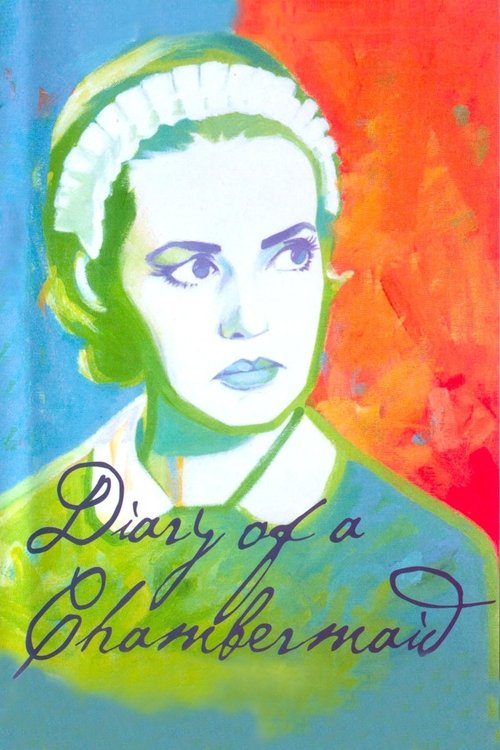
Diary of a Chambermaid
1964
No user ratings available yet
Representation score: 7.0 out of 10
No Poster Available
Representation Score
Limited
1966
Director
Wim van der Linden
Runtime
10 minutes
Average Rating
No ratings yetNew Showbiz Analysis
Rape (1966) functions as a transgressive film that prioritizes symbolic subversion over broad demographic representation. Its impact comes from deconstructing religious and social norms through surrealist imagery and metaphor. The film excels in cultural critique, using blasphemy to challenge the dominance of Western religious institutions. By shifting focus from literal trauma to rhythmic natural imagery, it disrupts conventional moral frameworks. However, the work lacks meaningful representation in terms of race, disability, or LGBTQ+ identities. The narrative remains narrow, focusing on a singular character and a specific critique of sanctity.
Category Breakdown
The film does not explicitly confirm any LGBTQ+ characters or identities focused on non-straight relationships. However, it uses provocative imagery to challenge social taboos.
The narrative challenges traditional gender roles by showing a nun engaging in tactile interactions with nature, which deviates from the expected ascetic lifestyle.
The cast lacks diversity, featuring primarily Anglo-Saxon characters. The focus remains on a single character within a naturalistic setting.
The film challenges Western religious institutions through surreal imagery and blasphemy. It contrasts spiritual symbols with primal imagery to critique traditional moralistic storytelling.
There is no evidence of physical or neurodivergent disabilities being portrayed in the film.
Present on Screen
Limited or Absent
Official Synopsis
"This beautiful example of far-fetched blasphemy accompanies a happy, ugly nun into the woods for her constitutional, replete with charming bird noises. Praying to and fondling a priapic mushroom, she is unaware of the evil rapist shadowing her. When the rape occurs, it is in long shot, hidden from view, under a huge tree. Articles of clothes and her cross sail through the air; the tree - entirely dominating the screen - sways rhythmically and repeatedly. A few minutes later it stops; then another tree, a few feet away, begins to sway in identical fashion. The rapist finally emerges, exhausted." (Amos Vogel, Film as a Subversive Art)
1964
1960

1969
1977

1980
1975
1968
1971
No reviews yet. Be the first to share your thoughts on this movie!
Use the rating form above to leave a star rating and optional review.