I Love, You Love
1988
No user ratings available yet
Diversity score: 5.6 out of 10
2005
Director
Stéphane Brizé
Runtime
93 minutes
Average Rating
No ratings yetSynopsis
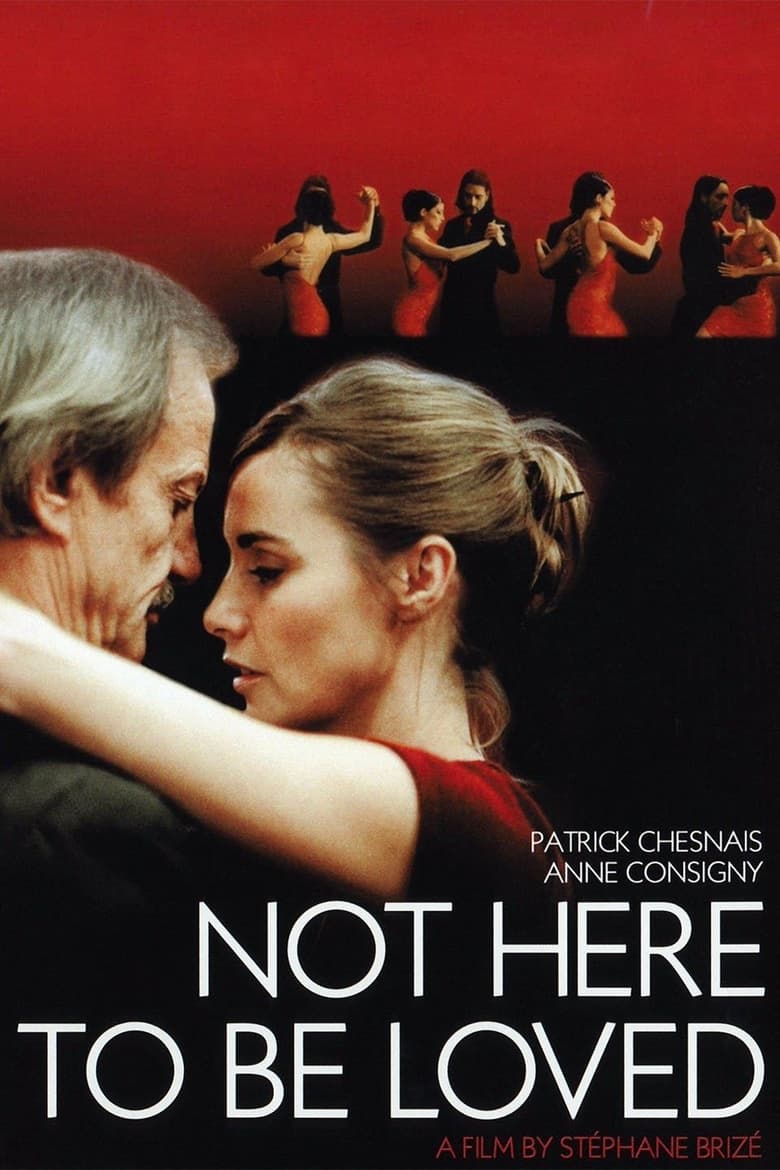
Jean-Claude Delsart, a 50 years-old bailiff, with his worn-out smile and heart, abandoned a long time ago the idea that life could give him pleasures. Until the day, he dares to push the doors of a tango lesson...
Overall Score
Fair
Category Breakdown
LGBTQ+ Representation
The film lacks overt queer character arcs or non-cisnormative identities. While tango can serve as a space for subverting courtship rituals, the primary premise focuses on a middle-aged man's search for connection.
Gender Representation
Jean-Claude offers a departure from traditional masculine archetypes. His emotional vulnerability and search for pleasure through dance deconstruct the rigid, stoic provider role in favor of a more fragile masculinity.
Racial & Ethnic Diversity
The narrative appears to be a localized French drama focusing on a specific social stratum. There is no evidence of a multi-ethnic ensemble that challenges the demographic norm of the setting.
Religious & Cultural Diversity
The story prioritizes individual emotional truth over religious or institutional structures. It critiques traditional social stability by focusing on a secular, artistic pursuit to find personal meaning.
Disability Representation
There is no explicit mention of physical or neurodivergent disabilities. However, the protagonist's emotional exhaustion suggests a potential, though unconfirmed, exploration of existential malaise or mental health.
Strengths
Areas for Improvement
AI Analysis
Stéphane Brizé’s film is a quiet, character-driven study that prioritizes emotional authenticity over demographic breadth. It succeeds in humanizing its protagonist, moving away from traditional masculine tropes of dominance and toward a more vulnerable, weary interiority. However, the film remains quite homogeneous. The focus on a singular, middle-aged protagonist in a localized French setting results in a lack of racial and ethnic variety. The narrative does not explicitly engage with LGBTQ+ identities or visible disabilities. Ultimately, the film's strength lies in its subtle subversion of social hierarchies through a secular, personal lens, even if it lacks the intersectional representation found in more diverse ensembles.
1988

2005
1996

2022
1998
2009

2021

2015

2001

2021

2014

2014
No reviews yet. Be the first to share your thoughts on this movie!
Use the rating form above to leave a star rating and optional review.