Carbon
2022
No user ratings available yet
Representation score: 3.6 out of 10
Representation Score
Fair
2013
Not RatedDirector
Márk Bodzsár
Runtime
100 minutes
Average Rating
No ratings yetNew Showbiz Analysis
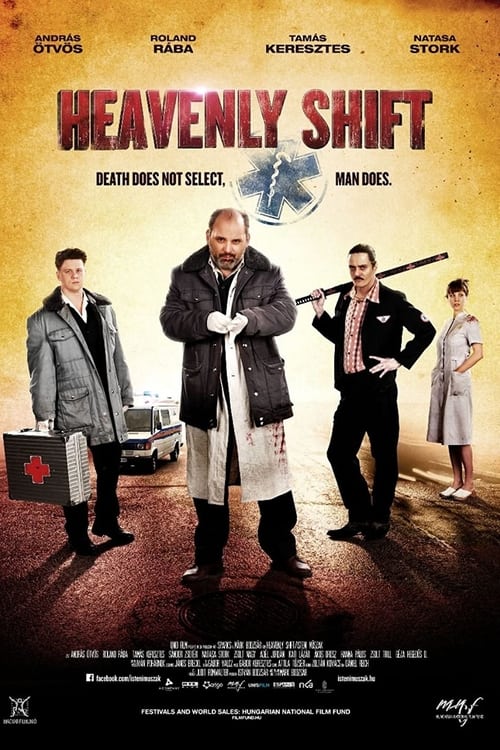
Heavenly Shift distinguishes itself through a focused exploration of displacement and the immigrant experience. By centering a Balkan War refugee, the film moves beyond standard genre clichés to examine how geopolitical instability shapes individual ability to act and survival. While the film excels in ethnic and cultural complexity, it remains limited by traditional narrative structures. The gender dynamics lean toward conventional romantic archetypes, and the lack of visible LGBTQ+ or disability representation results in a moderate overall score. Ultimately, the film's strength lies in its character-driven approach to systemic upheaval, offering a nuanced look at life on the margins of society.
Category Breakdown
The film focuses on the protagonist's relationship with his fiancée. There is no explicit evidence of queer narratives or non-straight relationships.
The narrative centers on a male protagonist and his drive to rescue a female partner. While the female character follows a traditional rescue cliché, the professional setting offers nuanced gender roles.
The film provides meaningful representation of the refugee experience. By centering a Balkan War refugee in Budapest, the story disrupts depictions of a homogeneous Central European society.
The premise suggests a departure from traditional morality in favor of situational ethics. The protagonist's pragmatic approach to survival highlights a focus on personal loyalty over conventional social norms.
There is no evidence regarding the portrayal of physical or neurodivergent disabilities within the film's narrative.
Present on Screen
Limited or Absent
Official Synopsis
Death does not select, man does. Set in Budapest, Heavenly Shift offers an eerie insight into the everyday lives of a rather extraordinary ambulance crew. The films main character is Milan, a young refugee from the Balkan War, who joins a team of paramedics but inadvertently ends up involved in the funeral business in order to finance his fiancee s rescue from the hostilities.
2022

2023

2003

2017
2005
2023

2017

2015
No reviews yet. Be the first to share your thoughts on this movie!
Use the rating form above to leave a star rating and optional review.