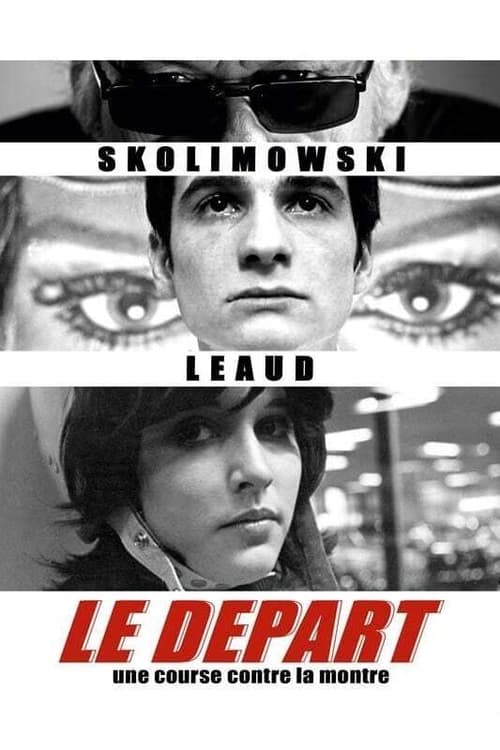
The Departure
1967
No user ratings available yet
Representation score: 3.1 out of 10

Representation Score
Limited
1969
TV-PGDirector
José María Fernández Unsáin
Average Rating
No ratings yetNew Showbiz Analysis
Romance sobre ruedas captures the essence of late 1960s Mexico through a social comedy that highlights the era’s modernization. The film leans on traditional character types and centers around the material aspirations of youth. The narrative is predominantly male-focused, centered on the shared ownership of a car. While the film reflects the social dynamics of its time, it does not actively seek to challenge established hierarchies. Overall, the film offers a conventional look at urban life and consumerism without delving into complex or multi-layered representations.
Category Breakdown
The film does not include any visible LGBTQ+ identities or queer romantic relationships. There is no exploration of queer characters or experiences.
The story is primarily driven by male camaraderie and the acquisition of a vehicle. Female characters, despite being present, have limited roles and do not significantly influence the plot.
The casting reflects the typical demographics of 1969 Mexico, without showing diverse racial backgrounds or challenging systemic issues.
The film explores themes of consumerism and the rise of the middle class through factory workers. It adheres to conventional social structures of the time without offering critical perspectives.
The film does not address any characters dealing with physical or neurological disabilities.
Present on Screen
Limited or Absent
Official Synopsis
A sporty new car is gifted to two young men who work at an auto factory, and they have to time-share it between them.
1967
1971

1975

1980

2014

1964
1968
2002
No reviews yet. Be the first to share your thoughts on this movie!
Use the rating form above to leave a star rating and optional review.