
Una villa per due
2014
No user ratings available yet
Representation score: 2.4 out of 10
Representation Score
Limited
2014
Director
Fabrizio Costa
Runtime
0 minutes
Average Rating
No ratings yetNew Showbiz Analysis
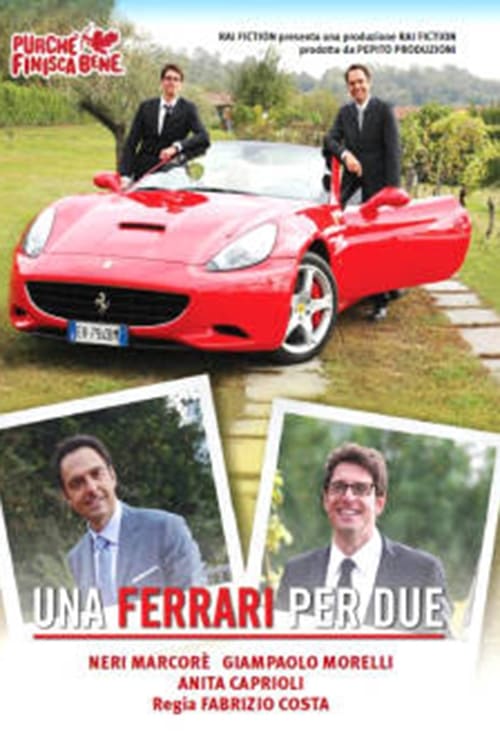
Una Ferrari per due functions as a conventional Italian television comedy that prioritizes regional character studies over progressive identity narratives. The film adheres to established social archetypes, offering little disruption to systemic hierarchies or traditional cultural structures. The production reflects the localized, homogeneous casting typical of its era and genre. It lacks intentional multi-layered design, focusing instead on a demographic that mirrors a specific European social landscape. Ultimately, the film serves as a standard domestic comedy, relying on familiar social norms rather than challenging them through radical or diverse perspectives.
Category Breakdown
The film does not explicitly address non-straight identities or orientations. It focuses on heterosexual relationships typical of traditional Italian comedy.
The cast includes both male and female actors, but the narrative follows conventional gender roles without challenging traditional hierarchies.
The production uses a homogeneous cast that reflects a specific European demographic, lacking significant racial variety.
The story operates within established social norms, reinforcing traditional social cohesion and the nuclear family structure.
There is no evidence of characters with visible or invisible disabilities in the cast or synopsis.
Present on Screen
Limited or Absent
2014

2019

2021

2014

2022

2014

2016
2012
No reviews yet. Be the first to share your thoughts on this movie!
Use the rating form above to leave a star rating and optional review.