Doli Saja Ke Rakhna
1998
No user ratings available yet
Representation score: 2.2 out of 10
Representation Score
Limited
1989
Director
Babbar Subhash
Runtime
146 minutes
Average Rating
No ratings yetNew Showbiz Analysis
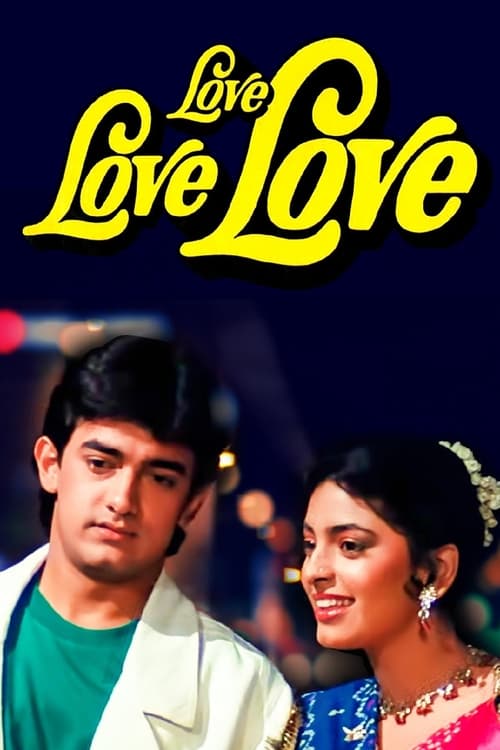
Love Love Love is a quintessential product of late-80s Bollywood romantic-action cinema. It operates within established genre clichés, focusing on a class-based conflict between a taxi driver's son and a wealthy businessman's daughter. The film adheres to the traditional social hierarchies of its era. While it centers on a romantic relationship, the narrative is driven by patriarchal pressures and conventional archetypes rather than challenging or subversive themes. Ultimately, the work functions as a standard commercial entertainer. It prioritizes a romantic storyline within a rigid social framework rather than attempting to deconstruct or challenge systemic norms.
Category Breakdown
The film follows a strictly heterosexual relationship between Amit and Reema. It does not depict any non-binary gender identities or same-sex relationships.
Reema plays a central role but her influence is often limited by patriarchal figures. She is treated as a subject of negotiation between male interests.
The cast is predominantly South Asian, reflecting the main market's cultural background. It lacks the multi-ethnic diversity seen in contemporary films.
The story upholds traditional social structures and family hierarchies. It relies on established clichés regarding class status and romantic desires within existing social frameworks.
There are no visible or invisible disabilities portrayed as central to the characters or the plot progression.
Present on Screen
Limited or Absent
Official Synopsis
Amit, the son of a taxi driver, and Reema, a rich businessman's daughter, fall in love. However, Reema's father wants to marry her to Vicky, whose father is the biggest gangster in Mumbai. How will their love triumph?
1998
1989

2008
1994
1994
2000
1985
1997
No reviews yet. Be the first to share your thoughts on this movie!
Use the rating form above to leave a star rating and optional review.